Published: October 15, 2026
A note from the founder of Leonids Jewelry
This article will be updated. I will add new customer feedback, reader questions, and service details as we can check them. Each update will show its date and sources.
Quick Overview
Leonids customers share how their jewelry looks, fits, and feels. Read their reviews with product links and photos. This article also includes 20 Instagram posts with the gift, ad, and promo labels stated by their authors. Sherifat’s review and Instagram post form one customer story. The sections below also answer questions about reports, sizing, delivery, returns, and care.
In this article
What customers say after their order arrives
Service feedback belongs in the story too
Questions I want to answer before you order
Creator posts with their original labels
Sources and References
About the Author
Your trust gives you a voice here
As the founder of Leonids, I see our customers as the brand’s “shareholders.” By that, I mean your trust and feedback help shape its future. You choose to spend your money with us. You deserve clear product details, care, and a chance to tell us how we did.
Leonids would not be where it is today without people like you. Your trust gives our team the chance to keep creating and growing. As the founder, I never take that support for granted.
I’m grateful to each person who has shared a review or a photo. Those details help the next shopper see more than a product page. They also show us what you value and where you need more help.
These selected public reviews link to each person’s own words. I have kept to the details they shared. Product facts come from the linked Leonids pages.
Media mention. Leonids also appears in JustLuxe (2004~2026)’s September 4, 2026 guide to online lab-grown engagement ring stores. The article discusses our factory-direct approach, custom options, and checks before shipping. Read the JustLuxe article for the publication’s overview of the brand.
What customers say after their order arrives
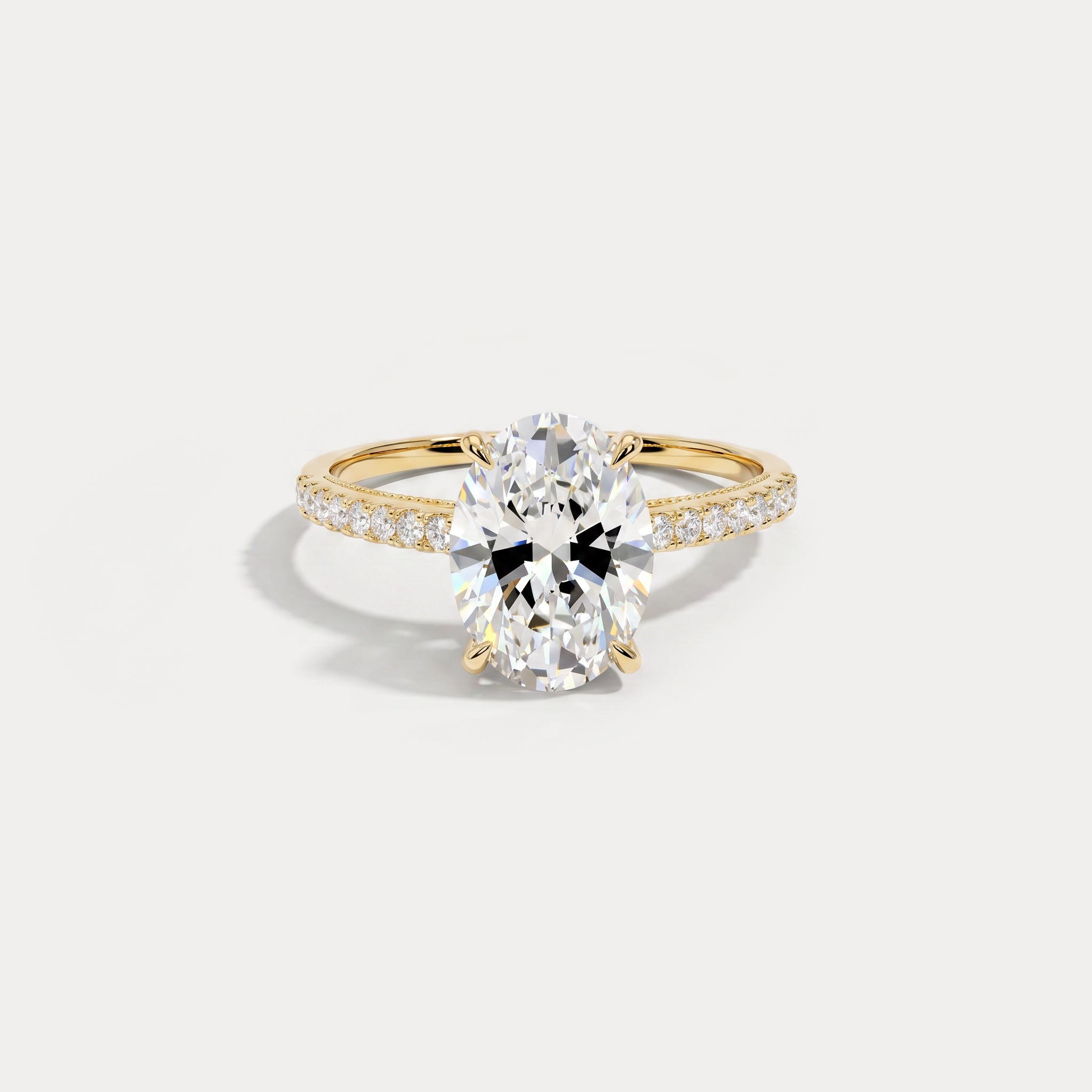
Rami chose the Kelly oval ring
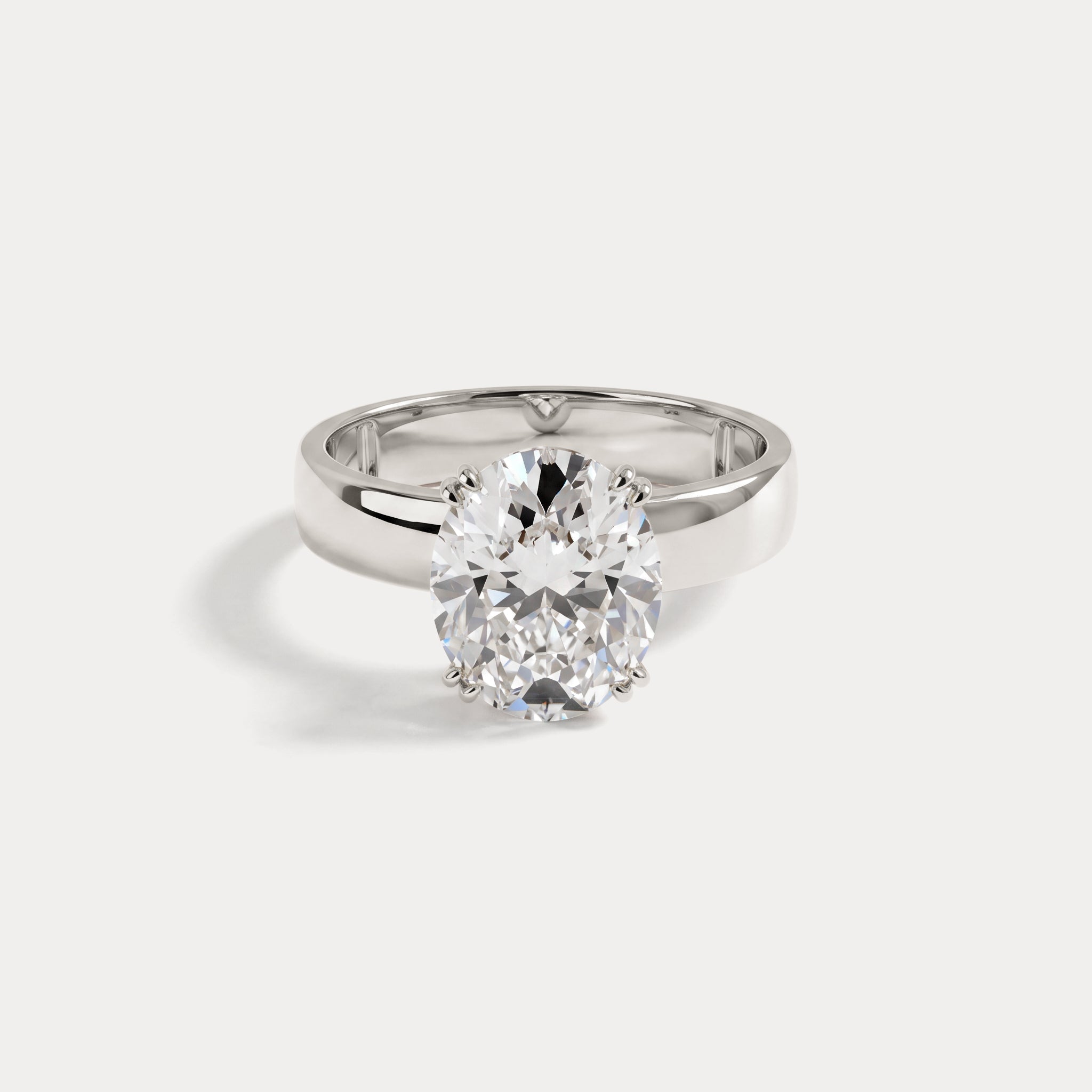
Rami named the Kelly oval engagement ring in an August 13, 2026 Trustpilot review. Rami liked its shine and the way it looked, and gave it five stars.
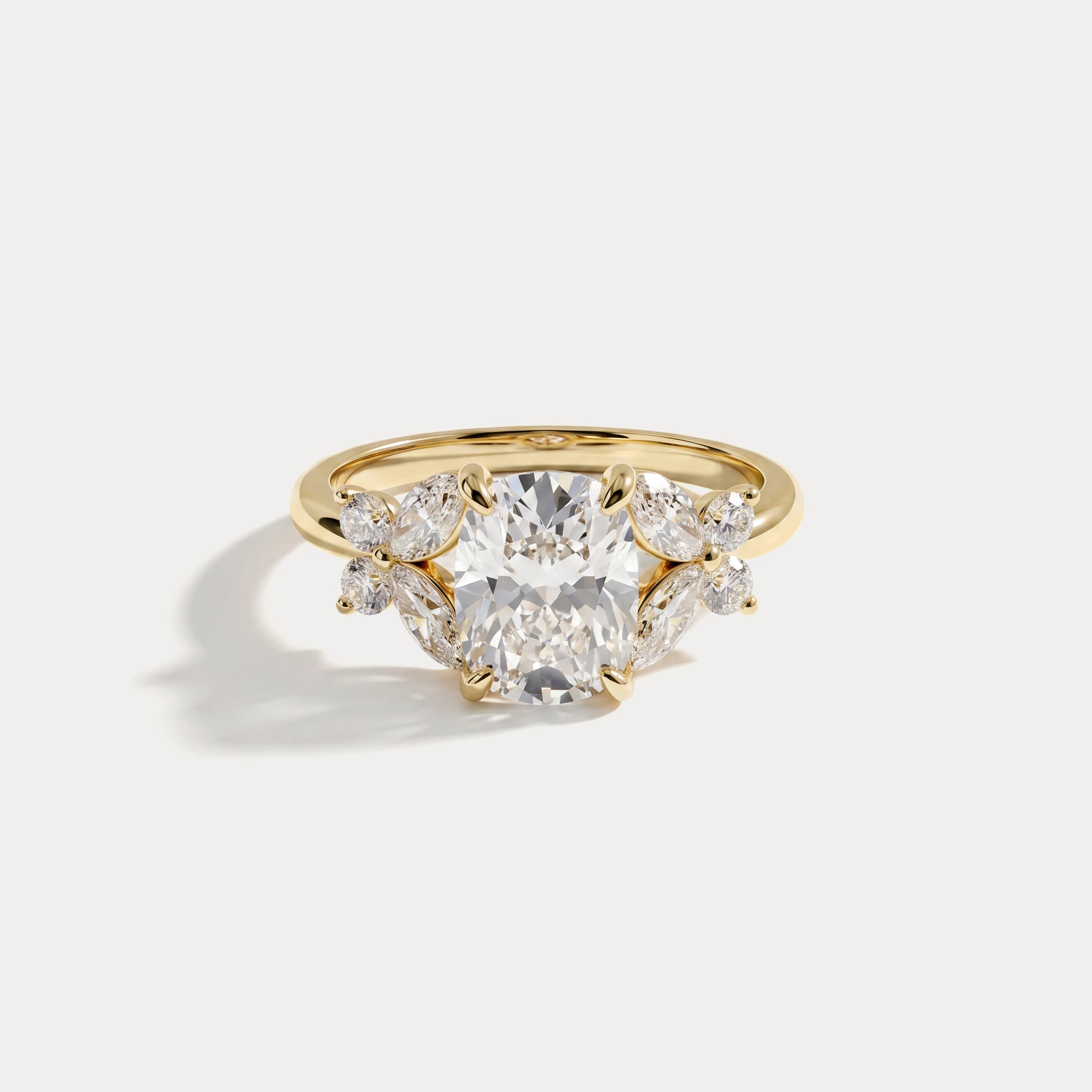
Kelly pairs an oval center stone with a halo of small diamonds and a fine beaded edge. The page lists center stones from 1 to 3 carats. I recommend that those with a sufficient budget choose the 3-carat version, as it is large and sparkly.
Read Rami’s reviewView Kelly
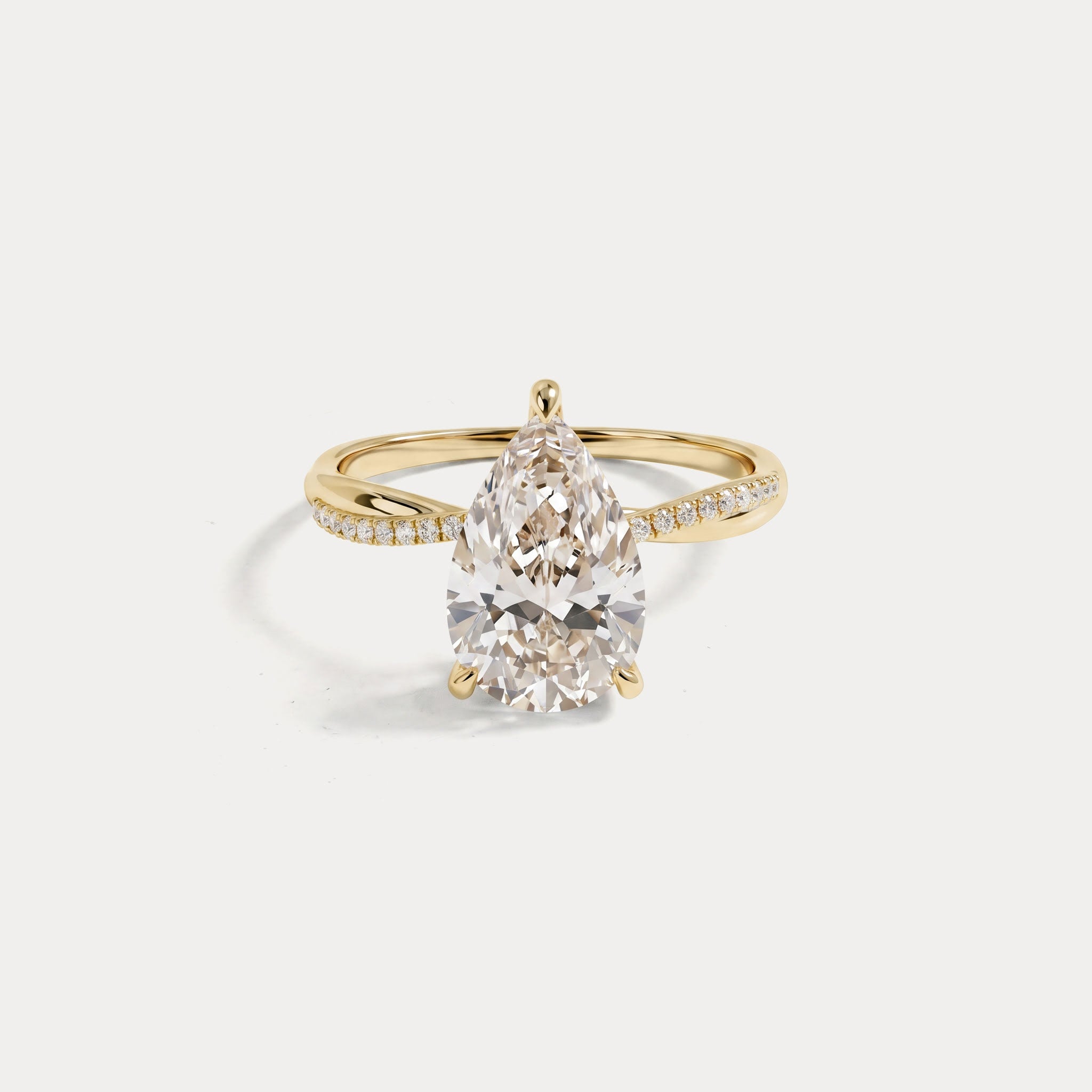
Anabel compares Juliette on a size 4 finger
Anabel Delgado gave a useful point of reference in a June 24, 2026 product review. In Spanish, Anabel wrote that the 3 carat ring did not look too large on a size 4 finger. The review also includes photos.
I’m grateful Anabel shared a ring size and photos for the next shopper.
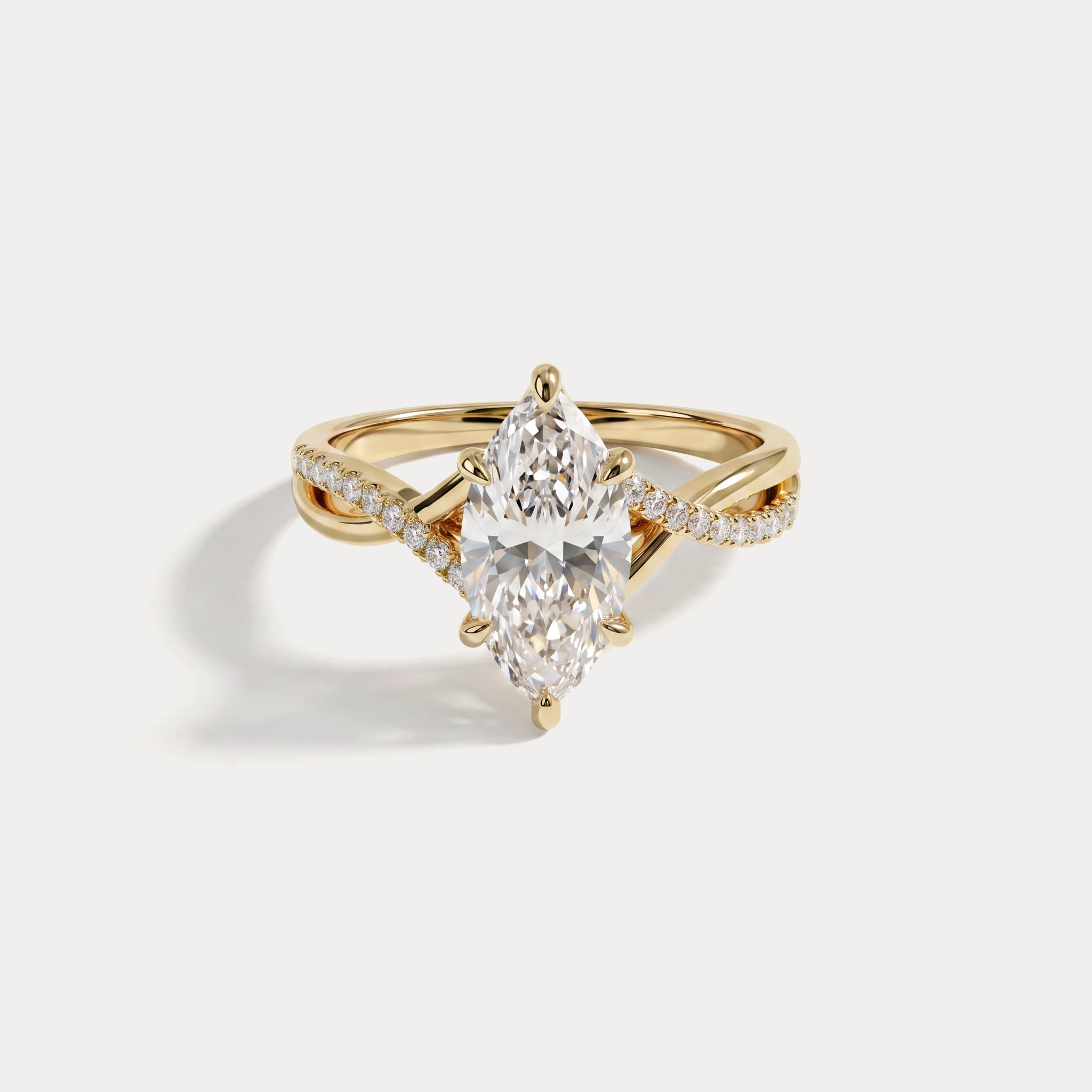
Juliette has a pear-shaped lab-grown center diamond and six round side diamonds. Its page lists 14K yellow, white, and rose gold, plus platinum.
View Juliette and Anabel’s reviewSee Anabel’s photo
Sherifat shares her Juliette review and video
Sherifat Schulz reviewed the 3 carat Juliette on Trustpilot on August 12, 2026. Sherifat praised the fit and sparkle, and said delivery was swift.
On the same day, she shared Juliette 3CT on Instagram as @theanikeadhey. Her post gives readers another view of the ring. I’m grateful she shared both her feedback and a video.
Editorial Team Fact-Checking Disclosure:
Source note: Leonids confirmed on October 8, 2026 that Sherifat Schulz and @theanikeadhey are the same person. We present these two sources as one customer story.
Disclosure: Her Instagram post includes the promo code SO15. Our latest discount codes are featured in the rotating banner at the top of the page; please take a look.
Read Sherifat’s Trustpilot reviewWatch Sherifat’s Instagram postView Juliette
A post shared by Sherifat Okelade (@theanikeadhey)
Nelly noticed the Amara twist band
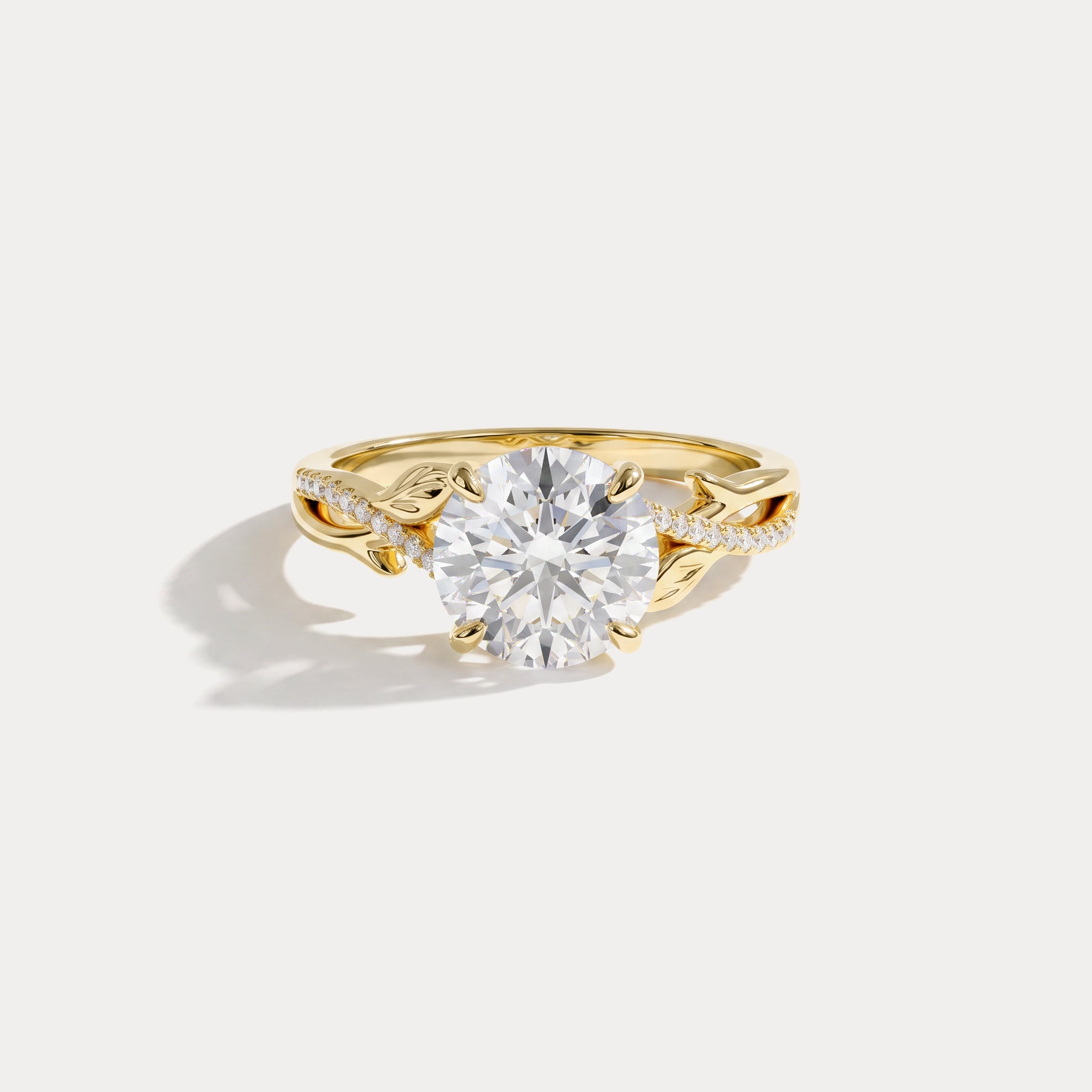
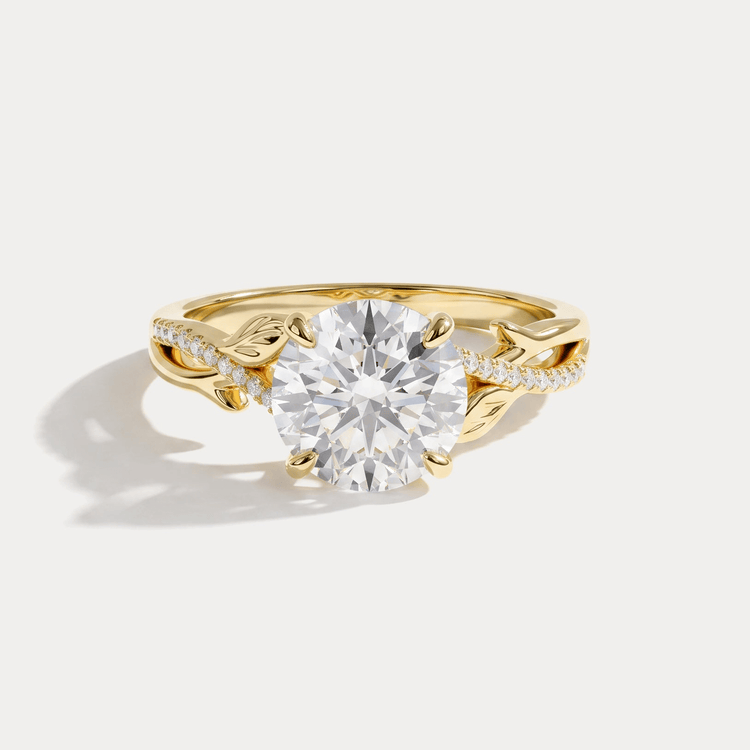
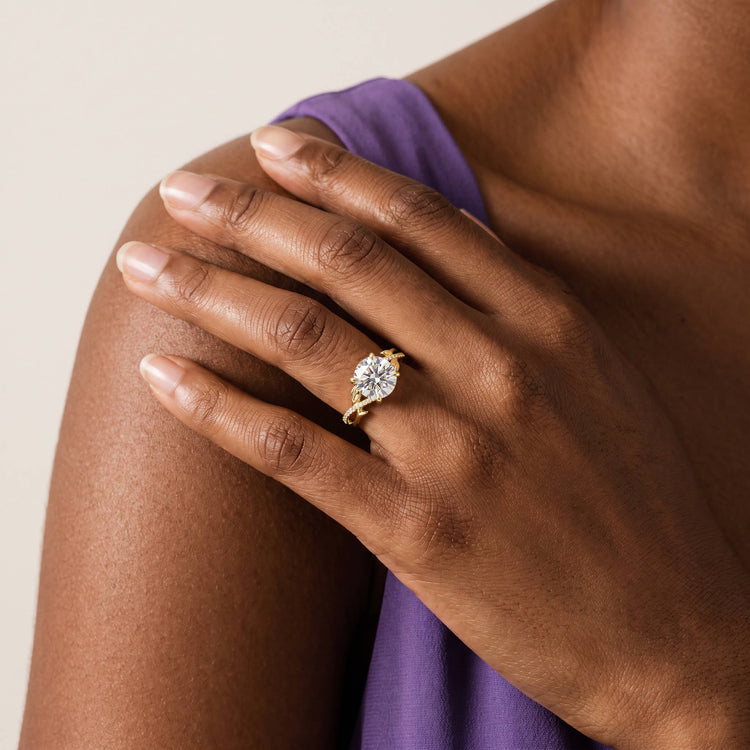
Delporte Nelly’s July 17, 2026 review focuses on Amara’s shine and twisted band. In the French review, Nelly described the twist as a detail that gives the ring a delicate look.
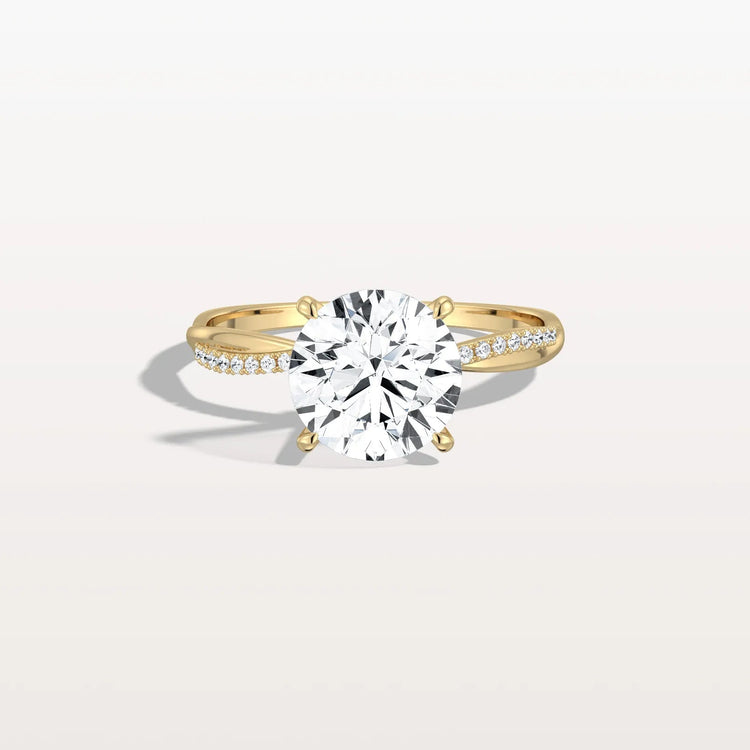
Amara has an oval lab-grown center diamond and small diamonds along its twisted band. The linked design shows a 3 carat center stone. Nelly also shared a photo with the review. That lets you compare the design on the product page with a customer’s own image.
View Amara and Nelly’s reviewSee Nelly’s photo
Our 2 carat and 3 carat lab-grown diamond rings offer excellent value for money.
Photo shared with Delporte Nelly’s Amara review.
Anastasia came back for a second order
Anastasia Nosova wrote on July 11, 2026 that this was a second order from our store. The review describes the bubble letter necklace, its small diamonds, and how it adds detail to an outfit.
A second order means a great deal to me. I’m grateful for the chance to serve a customer again.
The necklace uses 925 sterling silver and offers letters A through Z. Its chain adjusts from 16 to 18 inches.
View the necklace and reviewSee Anastasia’s photo
Karissa Hagemeister also shared a necklace review on May 13, 2026. She described a gold chain with a lab-grown diamond, praised its details, and said it arrived fairly quickly.
Read Karissa’s reviewView the necklace
On May 11, 2026, Tatyana Tegako wrote that her necklace suited her style. She also described a smooth process from ordering to delivery.
Read Tatyana’s reviewView the necklace
Nicole liked her platinum halo studs in person
Nicole Bailey reviewed our round halo diamond studs on July 18, 2026. Nicole wrote that the earrings looked better in person and praised the platinum.
Each stud has a round center diamond with smaller diamonds around it. The page lists a total diamond weight of 0.7 carats for the pair, with push-back closures. That weight covers both earrings, not each one.
Nicole’s photo gives you another view of the pair alongside the store photos.
View the halo studs and reviewSee Nicole’s photo
Mariia described daily wear with Serene
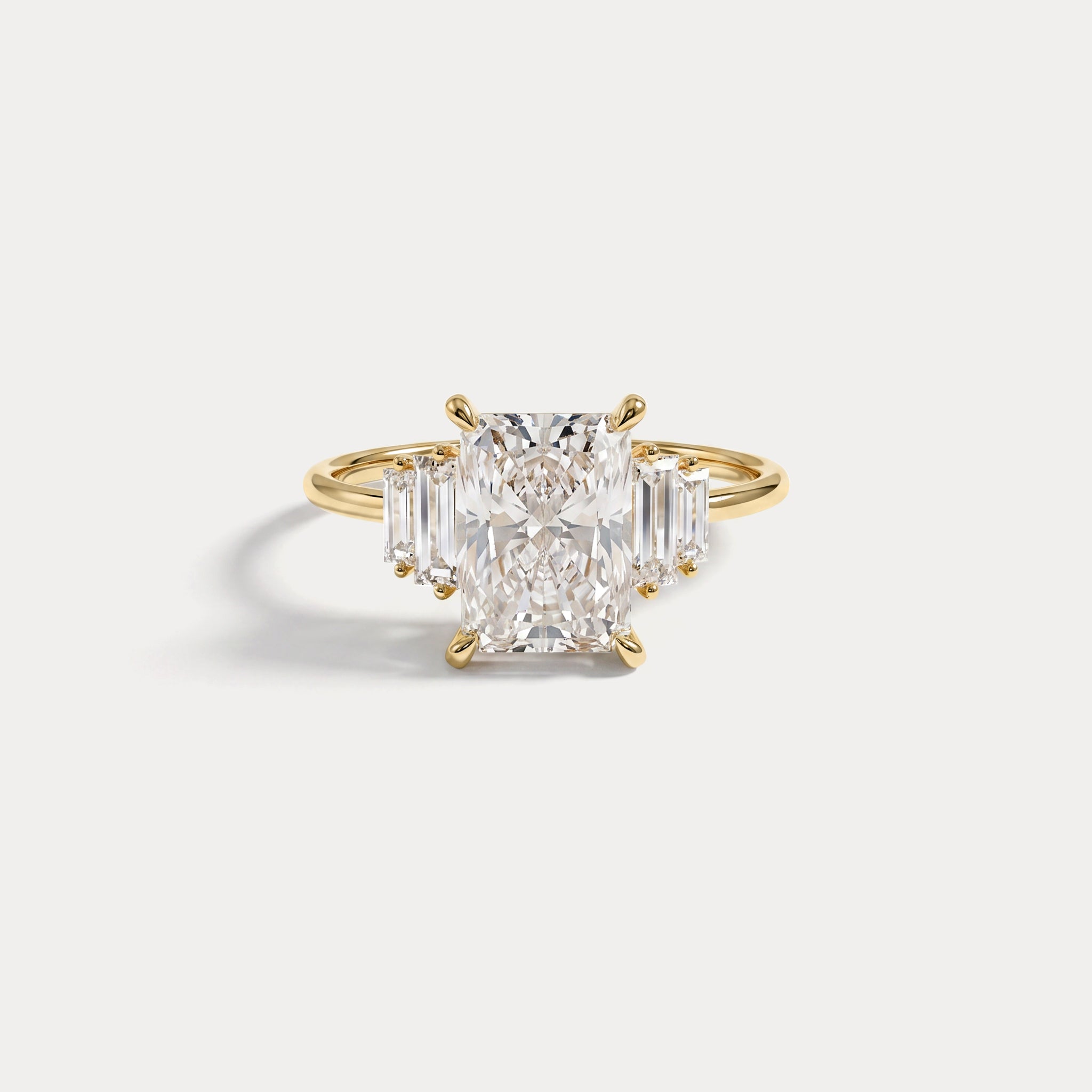
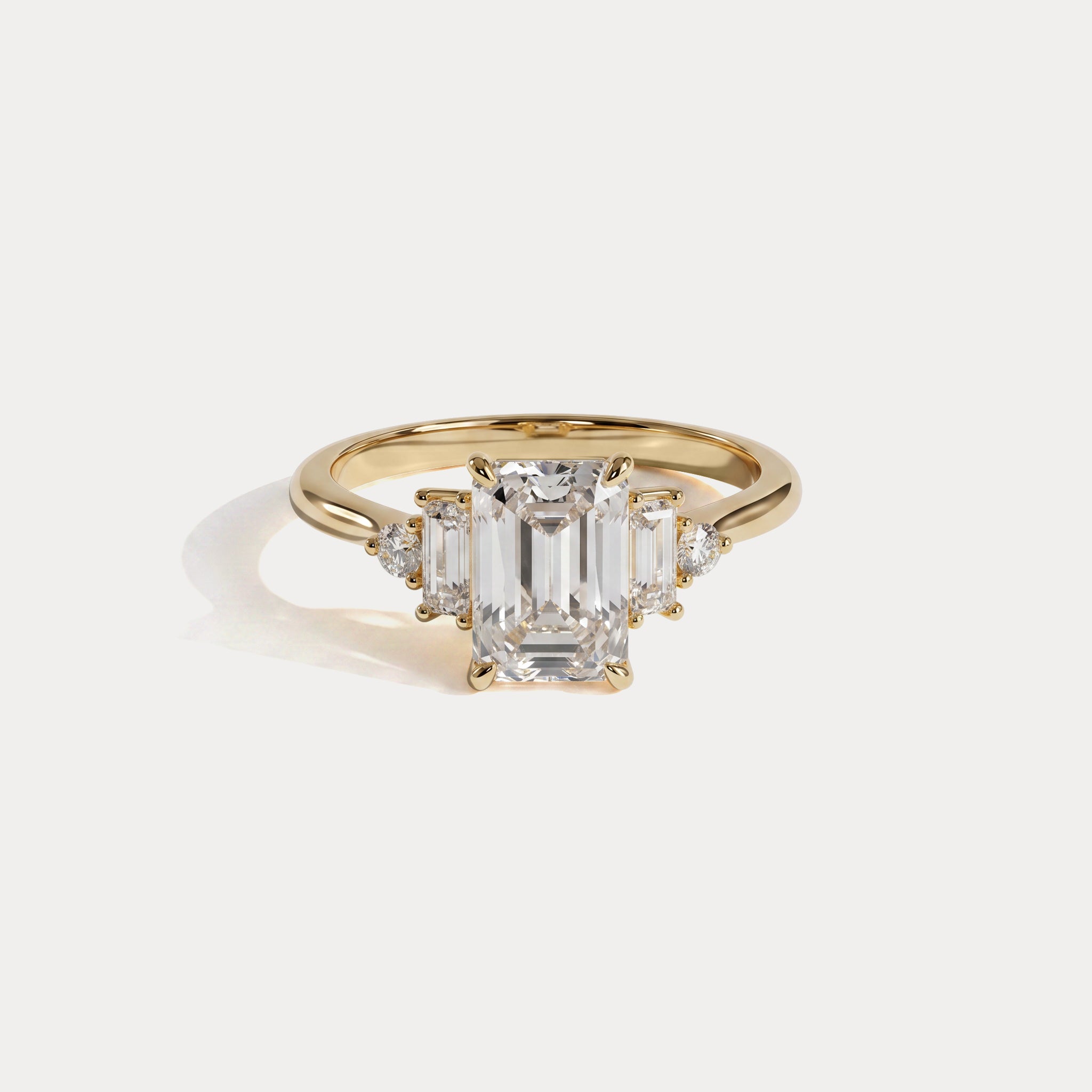
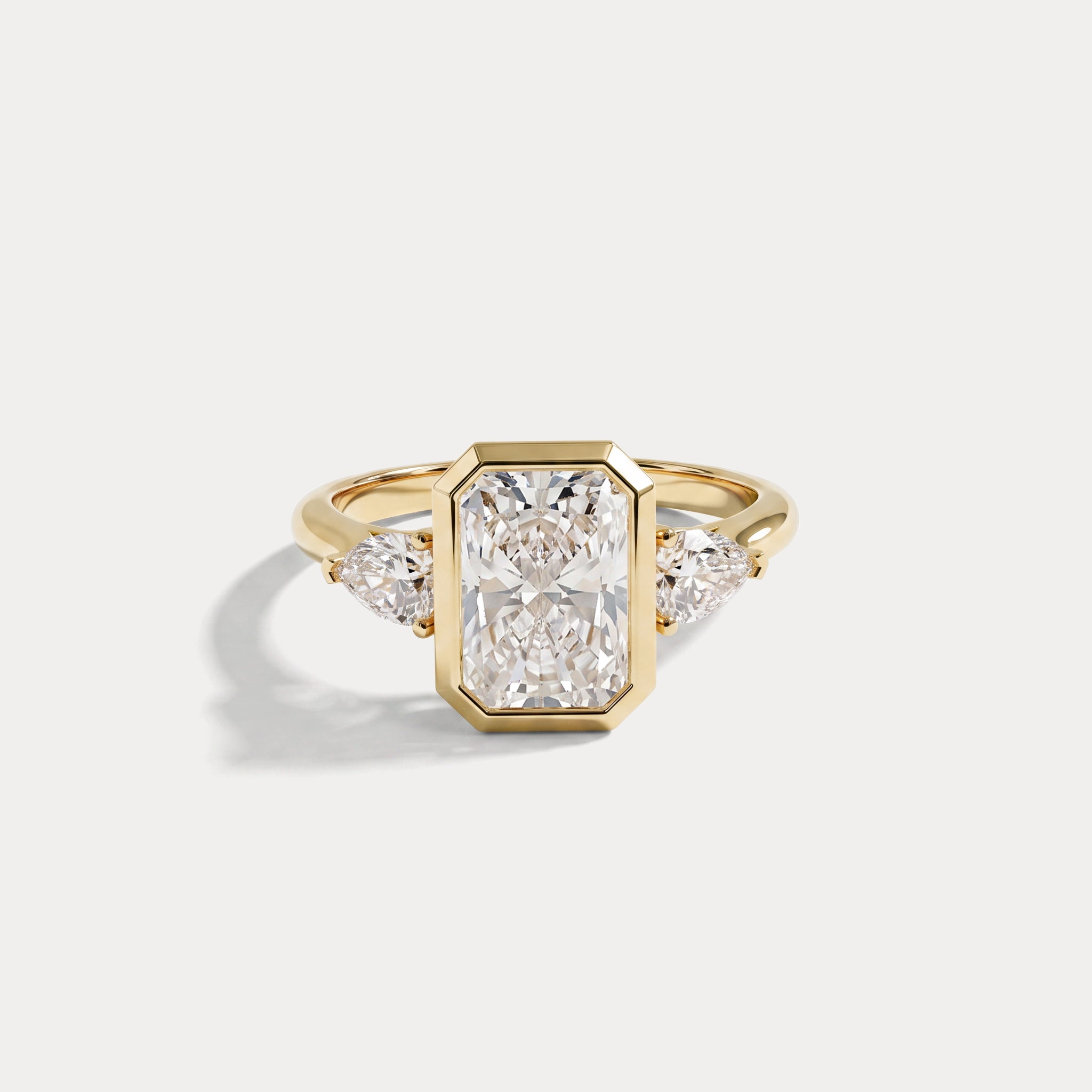
In a July 17, 2026 product review, Mariia Kaliuta praised Serene’s radiant-cut diamond and side stones. Mariia also said the ring felt comfortable for daily wear.
The linked Serene design has a 2 carat lab-grown center diamond and eight round side diamonds. Mariia describes a personal view of comfort. Check your own size when choosing a ring.
View Serene and Mariia’s review (In the comments section below the product page, Mariia Kaliuta shared a video showcasing the item. We are truly honored that our product has earned such recognition from a customer.)
Leclerc Jade’s September 28, 2026 review adds another daily-wear view. She said she wore her ring each day and liked its style. Her review does not name the design or state how long she had worn it.
I suggest that, like Leclerc Jade, you opt for the 3-carat version. This ring is large and brilliant; it features a wider band, making it durable and resistant to deformation.
Read Leclerc Jade’s reviewView the Product
Service feedback belongs in the story too
Yasmine White’s September 30, 2026 Trustpilot review says our team was helping get a ring to the right size. Yasmine gave five stars and spoke well of the support.
We are pleased that our team was able to resolve the issue she raised.
Angela gave four stars on August 10, 2026 and praised the craft, shine, and fit. Strain Daniel’s September 15 review was brief: “Great Support and Quality.” I will let that short review stand on its own.
Read Angela’s reviewRead Strain Daniel’s review
Stephanie gave four stars. She liked her ring and would buy again, but wanted better order and shipping updates. She praised the help she received by email when she asked for an update. Read Stephanie’s review.
We value the suggestion provided by Stephanie and are currently working on improvements. Thank you, Stephanie.
There is critical feedback, too. In an April 29, 2026 one-star review, travis described trouble reaching us by phone. Our May 6 reply apologized and explained the time-zone limits on live phone support.
Team Fact-Check and Statement: This client has not purchased any products from the site. We followed up with the client via email, but as of 2026-10-15, we have yet to receive a response.
I want that concern to have a place here. When someone needs help, being able to reach us matters. Praise and criticism both deserve our attention.
Read travis’s review and our replyBrowse Leonids reviews on Trustpilot
Questions I want to answer before you order
I want these stories to help you choose a piece and know what happens next. The questions below also reflect public discussions on Reddit and PriceScope. Those posts help identify concerns; they do not measure how often a problem occurs.
How can I judge the size and look online
Compare the stone measurements in millimeters, the band width, and the wearer’s ring size. Carat measures weight. Two diamonds of the same weight can look different in size. Anabel’s size 4 photo offers one useful view of Juliette. It cannot show how the ring will look on every hand.
Ask which photos or videos show your chosen size and setting. A side view helps you judge height. If you plan to add a wedding band, ask whether that exact pair will sit together without rubbing. A creator’s close-up does not confirm these details.
Leonids ring size guideIGI on carat weight and reports
What should I compare besides the price
Leonids describes its pricing as factory-direct, with fewer wholesale and retail layers. Compare the metal, center stone weight, total diamond weight, grades, setting, and service terms. Nicole’s halo studs list 0.7 carats for the whole pair. A price for one earring or for a loose stone is a different offer.
Leonids quality and pricing approach
Which diamond report will I receive
Each single diamond of 0.5 carat or more comes with an IGI report. For a center stone below 0.5 carat, it lists an AGL finished-jewelry certificate. Small accent stones do not each have an IGI report. We share the final report details after shipping, so they are not available before checkout.
Once you have the IGI number, use IGI's report lookup to check the listed details. Ask a jeweler to help match the stone to its report. A diamond report describes the stone; it does not test how long the whole ring will last.
Leonids certificate FAQIGI report details and lookup
What happens if my ring does not fit
Leonids offers one free resize within the one-year warranty, for a change of up to half a US size. The policy offers local resize reimbursement up to $50. A larger change needs a remake outside that cover. A target size above US 11 adds $150. Contact us first to confirm the work and any shipping costs. Yasmine’s review shows this problem.
Read the full resizing terms
What if a stone comes loose
Stop wearing the piece and contact us. The one-year warranty covers manufacturing defects such as loose prongs and lost accent stones. It excludes loss or damage of the main stone and damage from outside causes. For a covered lost accent stone, the policy offers a replacement and local setting costs up to $100, or service at our U.S. after-sales address.
For care, follow the advice for your stone and metal. GIA warns that home ultrasonic and steam cleaning can loosen stones. Have a jeweler check a loose setting before cleaning or wearing it again.
Leonids warranty coverageGIA care guide
When should I order for a special date
Allow for both making and shipping the piece. Our shipping page lists about 15 business days for production, then 3–5 business days for U.S. delivery. Our FAQ asks for four extra business days for silver and platinum pieces. Weekends and public holidays do not count. Share your deadline before ordering and confirm the estimate for your piece. Sherifat’s “swift” delivery review is not a delivery promise. The specific situation depends on the policies of the destination region.
Production and shipping timesMetal-specific timing in our FAQ
Can I return my jewelry
The refund page gives eligible U.S. orders a 30-day window from delivery. Keep the piece unworn, unchanged, and in its original packaging. Custom and engraved pieces are final sale. The customer pays return shipping, and the page lists a 5% fee for installment-plan returns. Request the return address before sending anything.
Leonids refund policyHomepage return FAQ
What should I do if I need help
Email care@leonidsjewelry.com with your order number and a short description. Add clear photos when they help show the issue. Keep the packaging and reports. Contact us before arranging repair work or mailing the piece. Ask for the next step and its expected timing. We do not treat an open service case as resolved without a confirmed outcome.
Contact Leonids
What do these reviews tell me about long term wear
They show what each person reported at the time. Mariia’s comfort review does not establish how the ring will wear for years. This article has no confirmed long-term follow-up for that order.
If you have worn your piece for 3, 6, or 12 months, I welcome an update. Tell us how often you wear it, how you care for it, and whether it needed work. We will add sourced follow-ups as they become available, with dates and any gift or ad labels.
Share an update with Leonids
Creator posts with their original labels
These 19 creator posts add views of jewelry and personal style. Sherifat’s Instagram post appears with her review above. Each note uses the author’s public caption. The gift, ad, collaboration, and promo labels stay beside the post.
Samantha plans to wear her ring often
On October 5, 2026, @samantha_begni said this Leonids ring was a piece to reach for again and again. The post does not name the model.
Disclosure: The original post includes #suppliedby and the code sama15. Our latest discount code can be found at the top of the site; please take a look.
View Samantha’s original post
A post shared by SAMANTHA (@samantha_begni)
A short ring post from gomollerka
On October 4, 2026, @gomollerka tagged Leonids in a creator post.
View Samantha’s original post
A post shared by Valeriia Gomol | UGC creator | Germany✨ (@gomollerka)
Seren shares a princess style
On October 2, 2026, @serensdaily used the phrase “princess rings” and tagged Leonids.
View Seren’s original post
A post shared by Seren (@serensdaily)
Lea shares a gifted ring
On October 2, 2026, @leatllr_ show the ring Coraline and added a self-love tag.
Disclosure: The creator labels this post gifted.
View the original gifted post
A post shared by Lea ヅ (@leatllr_)
A love of rings from bbofdaddy
On October 1, 2026, @bbofdaddy shared a love of rings and used fall jewelry tags.
View bbofdaddy’s original post
Helen shares a romantic style
On September 29, 2026, @helenbellart_lifestyle used a Spanish caption to describe a romantic jewelry design and tagged Leonids.
Disclosure: This post includes the code HELEN15. Our latest discount code can be found at the top of the site; please take a look.
View Helen’s original post
A post shared by Helen Bellart (@helenbellart_lifestyle)
A new ring for fall
On September 28, 2026, @macaroonsandroses wrote about a new Leonids ring and its sparkle for fall.
View macaroonsandroses’ original post
A post shared by Alice : Fashion & Lifestyle Blogger (@macaroonsandroses)
Helena labels her post as an ad
On September 26, 2026, @helena.editorial shared a diamond-themed post and tagged Leonids.
Disclosure: The creator labels this post Ad.
View Helena’s original ad post
A post shared by Hᰀⳗᰀɴᴀ (@helena.editorial)
Angelina shares a ring look
On September 23, 2026, @khymchuk_angelina shared a Leonids ring. Her short caption names the brand but does not name the design or describe an order. The post offers a view of her style.
Disclosure: The post includes the promo code Angelina15. Our latest discount code can be found at the top of the site; please take a look.
View the original Instagram post
A post shared by Angelina Khymchuk (@khymchuk_angelina)
Klaudia labels her ring post as an ad
On September 14, 2026, @k.laudia tagged Leonids in a ring post. Her caption gives a code and an ad label. It does not describe fit, delivery, or wear over time.
Disclosure: The creator labels the post #AD and includes the code Klaudia15.
View the original Instagram post
A post shared by Klaudia Sylwia (@k.laudia)
Julia shares a gifted demo ring
On September 6, 2026, @julia.hann_ said she liked the ring’s shape. She also said she wore a demo version for content. Her post shows how she styled that piece.
Disclosure: Julia labels the ring gifted and calls it a demo version for content. We keep both details with this image.
View the original Instagram post
A post shared by Julia | Fashion, Beauty & Hair (@julia.hann_)
Marta shares a tennis themed look
On August 29, 2026, @martamajchrzakk_ shared a Leonids post tied to US Open season. The preview shows a ring hand holding a tennis ball. This is a styling example. It does not test how the jewelry holds up during sport.
Disclosure: The caption includes #collaboration and the promo code Marta15. Our latest discount code can be found at the top of the site; please take a look.
View the original Instagram post
A post shared by Marta Majchrzak (@martamajchrzakk_)
Sofiia shares a jewelry gift idea
On August 15, 2026, @sofi_yali shared Leonids jewelry as a gift idea. The preview shows a ring in a box. Disclosure: The post includes the promo code Sofiia15. A gift suggestion does not establish that the creator received a gifted piece.
View the original Instagram post
A post shared by @sofi_yali
Kendall and her one carat Callie ring
On August 4, 2026, @kendalleighb showed the ring Callie and listed a 1 carat stone.
Callie has a radiant-cut lab-grown center diamond, a hidden halo, and a twist band with a fine beaded edge. The linked page shows the 1 carat version.
Disclosure: The post includes the promo code Kendall15.
View the original Instagram postView Callie in 1 carat
A post shared by Kendall Leigh (@kendalleighb)
Paula shares a story about sixteen years together
On July 27, 2026, @mycodeofstyle wrote in Polish that she and her partner had been together for 16 years. Paula tagged Leonids and called the ring a gift. Her story adds personal context. The caption does not say the ring marked an anniversary or a proposal.
Disclosure: The caption uses prezent, Polish for gift, and includes the code Paula15.
View the original Instagram post
A post shared by Paula | Fashion & Inspo (@mycodeofstyle)
Slava shares a ring with white roses
On June 25, 2026, @slavaclaire shared a ring from Leonids. The preview places a ring hand beside white roses.
Disclosure: The post includes the promo code Slava15.
View the original Instagram post
A post shared by Slava (@slavaclaire)
May shares an engagement ring idea
On June 19, 2026, @mayloboxx invited readers to save a Leonids ring post for a future conversation with a partner. It offers a style idea.
Disclosure: The post includes the promo code MAY15.
View the original Instagram post
A post shared by May Lobo (@mayloboxx)
A few notes before you choose a piece
Finding the original reviews
You can read the linked Trustpilot reviews or the Judge.me review sections on our product pages. The links above also lead to customer photos where the review includes them.
Checking the exact ring and metal
A review does not always name every option in an order. Check the product page for the stone size, metal, and measurements. Sherifat names Juliette 3CT, and Kendall names Callie with a 1 carat stone. We link those designs. Other posts remain unmatched unless the caption supplies enough detail.
Understanding creator labels
Gifted means the author says the piece was a gift. Paula uses the Polish word prezent for gift. Ad or #AD marks an ad post. We retain #suppliedby and #collaboration as written. A promo code alone does not establish a gift or payment. Julia also identifies a demo version. The codes listed here are source details; they may no longer work. Our latest discount code can be found at the top of the site; please take a look.
Thank you for giving us your trust
To everyone who has placed an order, shared a photo, or told us something needed work: thank you. I’m honored that you have chosen us to serve you. Your feedback deserves a place in the way Leonids grows.
That is what I mean when I call our customers our “shareholders.” You have a voice in this brand. I’m grateful for it.
When I look at how far Leonids has come, I think of the customers who helped us get here. You are part of that story. Thank you for believing in us and helping this brand grow.
Read more Leonids reviews on Judge.me, browse Trustpilot reviews, or visit our customer reviews page. Look for details about the design you like, its fit, delivery, and any follow-up support. Read the full review and any brand reply to understand each person’s experience.
How We Created This Article
I want you to know how this article took shape. It uses public customer reviews, creator posts, Leonids product pages, and a linked media article. The reader questions also draw on public jewelry discussions and service pages. We used ChatGPT to help research and write the draft. The notes below explain that work and the current review status.
What AI helped write and edit
AI helped collect source details, plan the sections, and draft the article. It wrote the Quick Answer, customer summaries, creator notes, reader questions and answers, and the opening and closing based on our brief. It also shortened sentences and edited grammar for clear English.
AI translated and summarized Anabel’s Spanish review and Nelly’s French review. It also summarized Helen’s Spanish caption and Paula’s Polish caption. These passages use English paraphrases, not the authors’ exact words.
The reviews and posts come from the linked sources. AI did not invent names, purchases, quotes, or results. Leonids supplied the confirmation linking Sherifat’s review to @theanikeadhey. AI used that confirmation to combine the two sources into one story.
Image preparation: AI assisted us in creating step-by-step instructional images. We also converted images of actual clients and products into a different format to conserve server resources and improve page load speeds—specifically, by converting original JPG files into the WebP format.
Manual Fact-Checking
Manual Fact-Checking: Leonids confirmed on October 13, 2026 that Sherifat Schulz’s Trustpilot review and @theanikeadhey’s August 12 Instagram post belong to the same person. This confirmation covers that identity link. Full human fact-checking of the article has not yet been confirmed.
Scope of the source checks: AI-assisted checks covered public text, product and service pages, forum discussions, and available post previews. They did not inspect private orders or every video frame. Forum posts describe individual experiences, not a customer survey.
Jazz Su checked this article against the linked sources and the Leonids identity confirmation on 2026-10-13. The review covered names, dates, ratings, product and service details, translations, image captions, links, and gift, ad, collaboration, demo, or promo labels. The editor resolved policy conflicts before publication. This check covered public sources and the stated identity confirmation, not private order records or product testing.
Sources and References
Earlier customer and creator sources were reviewed on October 13, 2026. Reader-question research and policy checks followed on October 8. The ten added Instagram posts and Callie’s 1 carat product page were checked on October 8. Leonids confirmed Sherifat’s identity link on that date. The four added Trustpilot reviews were checked on the Leonids Trustpilot profile on October 12, and the JustLuxe article was read on the publisher’s site. Dates below are publication dates unless labeled as access dates. Translated passages are paraphrases; creator notes use public captions and previews.
Media mention: JustLuxe · September 4, 2026 — 10 Best Websites for Lab-Grown Diamond Engagement Rings in 2026.
Customer reviews and product pages
Rami · August 13, 2026 — Trustpilot review | Kelly product details
Anabel Delgado · June 24, 2026 — Juliette product and Judge.me review | Customer photo
Sherifat Schulz / @theanikeadhey · August 12, 2026 — Trustpilot review | Instagram post. Same person confirmed by Leonids on October 8, 2026.
Delporte Nelly · July 17, 2026 — Amara product and Judge.me review | Customer photo
Anastasia Nosova · July 11, 2026 — Initial necklace and Judge.me review | Customer photo
Nicole Bailey · July 18, 2026 — Halo studs and Judge.me review | Customer photo
Mariia Kaliuta · July 17, 2026 — Serene product and Judge.me review
Yasmine White · September 30, 2026 — Trustpilot review
Angela · August 10, 2026 — Trustpilot review
Strain Daniel · September 15, 2026 — Trustpilot review
travis · April 29, 2026; brand reply May 6, 2026 — Trustpilot review and reply
Stephanie · accessed October 12, 2026 — Trustpilot review
Leclerc Jade · September 28, 2026 — Trustpilot review
Karissa Hagemeister · May 13, 2026 — Trustpilot review
Tatyana Tegako · May 11, 2026 — Trustpilot review
Judge.me sources above are the review sections on Leonids product pages. Customer photo links lead to images attached to those reviews.
More Leonids customer reviews: Judge.me store page | Trustpilot profile | Leonids reviews page.
Callie 1 carat product details — product source for Kendall’s named design
Instagram originals
@samantha_begni · October 5, 2026
@gomollerka · October 4, 2026
@serensdaily · October 2, 2026
@leatllr_ · October 2, 2026
@bbofdaddy · October 1, 2026
@jvalpintor · September 29, 2026
@helenbellart_lifestyle · September 29, 2026
@macaroonsandroses · September 28, 2026
@hola_soymona_ · September 27, 2026
@helena.editorial · September 26, 2026
@khymchuk_angelina · September 23, 2026
@k.laudia · September 14, 2026
@julia.hann_ · September 6, 2026
@martamajchrzakk_ · August 29, 2026
@sofi_yali · August 15, 2026
@theanikeadhey · August 12, 2026 — included in Sherifat’s customer story
@kendalleighb · August 4, 2026
@mycodeofstyle · July 27, 2026
@slavaclaire · June 25, 2026
@mayloboxx · June 19, 2026
The 20 selected Instagram posts date from June 19 to October 5, 2026. Sherifat’s post appears with her Trustpilot review as one customer story. The creator section contains the other 19 posts. Each case keeps its stated gift, ad, collaboration, demo, or promo labels. Mona’s ring brand remains unconfirmed.
Sources for reader questions
Leonids FAQ — reports, production timing, care, and service
Leonids ring size guide — fit checks and measurements
Leonids warranty — resizing, accent stones, and exclusions
Leonids refund policy — U.S. eligibility and international limits
Leonids shipping policy — production, transit, and import costs
Leonids homepage — return terms and delivery protection
Leonids quality — factory-direct pricing and certificate wording
Leonids contact page — support channel
IGI laboratory-grown diamond reports — carat size and report lookup
GIA diamond care guide — loose settings and cleaning limits
Community discussions used to choose questions
These public discussions helped choose topics. They are individual accounts, not proof of a brand-wide problem or a ranking of customer concerns. The research included favorable and critical experiences. We did not access private groups or contact the authors.
Reddit r/Moissanite — Diamondrensu wear after two years and sizing
Reddit r/EngagementRings — Cullen service for U.S. customers
Reddit r/labdiamond — Ouros and Blue Nile price comparisons
Reddit r/labdiamond — oval trilogy appearance and return concerns
Reddit r/labdiamond — differing accounts of Ouros communication
PriceScope — a Ritani shopper seeking diamond videos and cut details
Trustpilot — Diamondrensu customer reviews
Trustpilot — Cullen customer reviews
Peer service pages reviewed
Diamondrensu — design, diamond, and finished-piece approval process
Grown Brilliance — U.S. returns and custom-order distinctions
Cullen — manufacturing warranty and repair shipping distinctions
Peer policies help explain the questions shoppers ask. They are not Leonids service promises. Sources in these three added sections were checked on October 8, 2026.
About the Author
Leonids Jewelry Design and Development Team: We design and develop lab-grown diamond engagement rings and wedding bands. Our work focuses on how settings and bands fit together, with attention to comfort for daily wear. We share practical design guidance to help you compare styles and choose a set that suits your needs.