
Side Stone Engagement Rings Oval, Round, Pear, Marquise & More
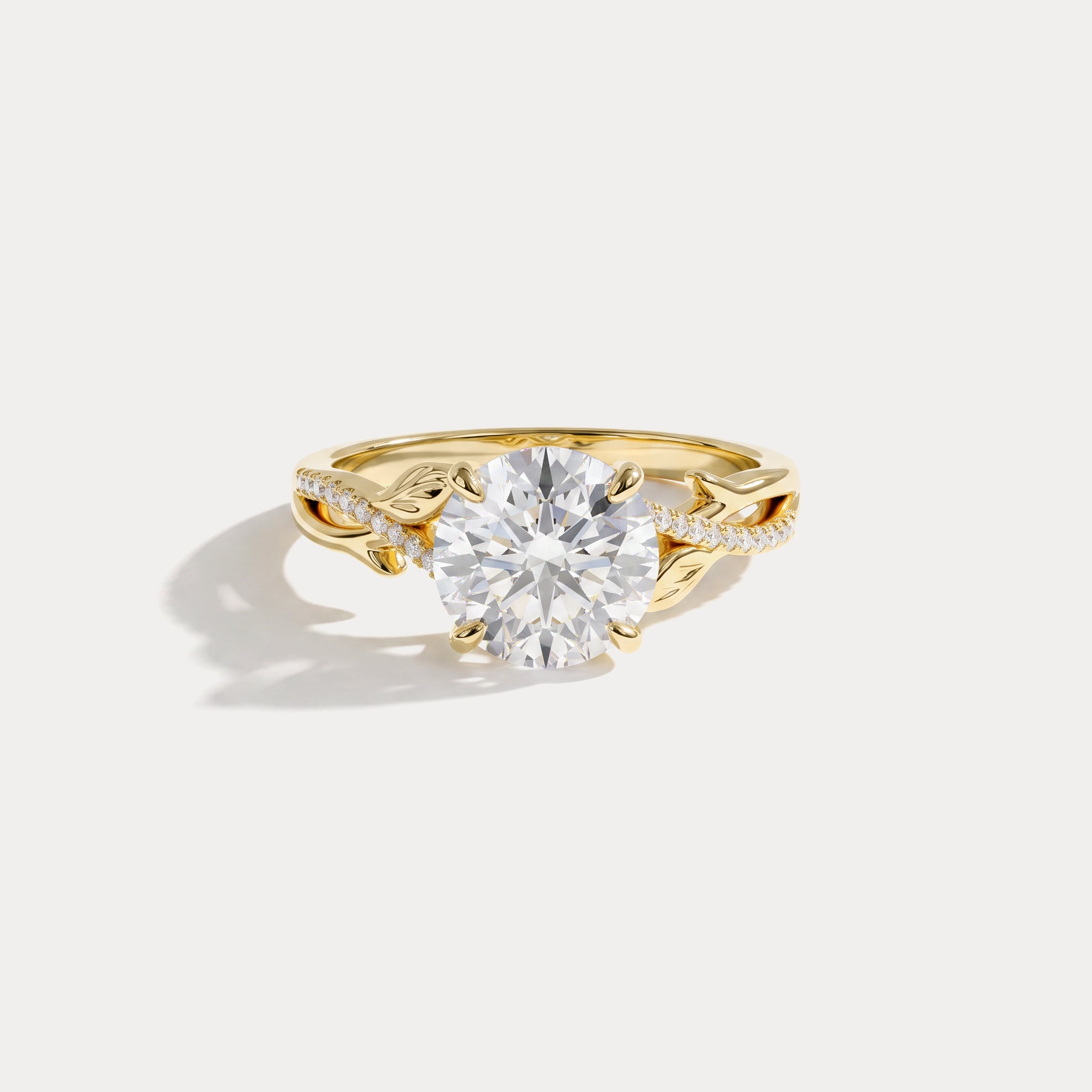
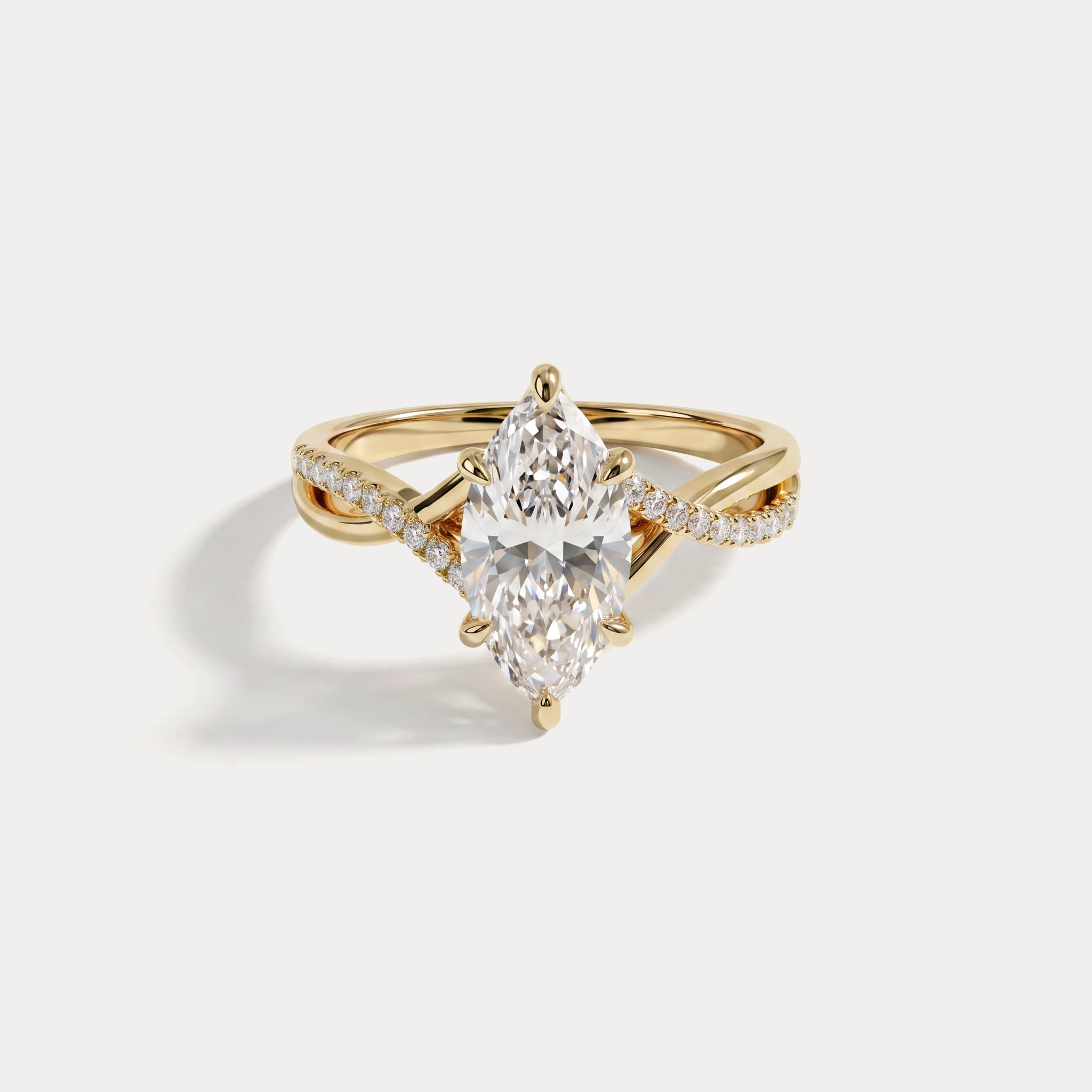
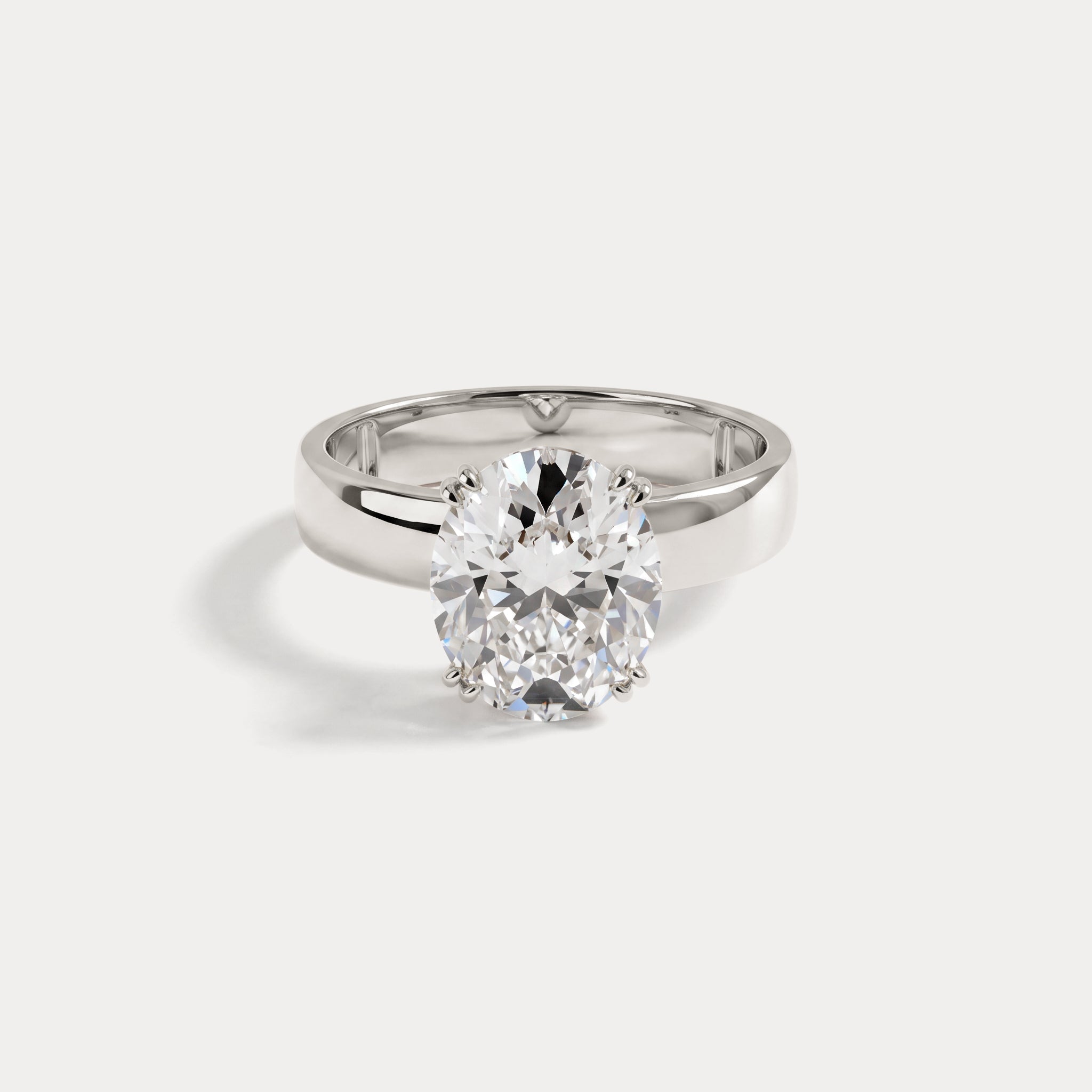
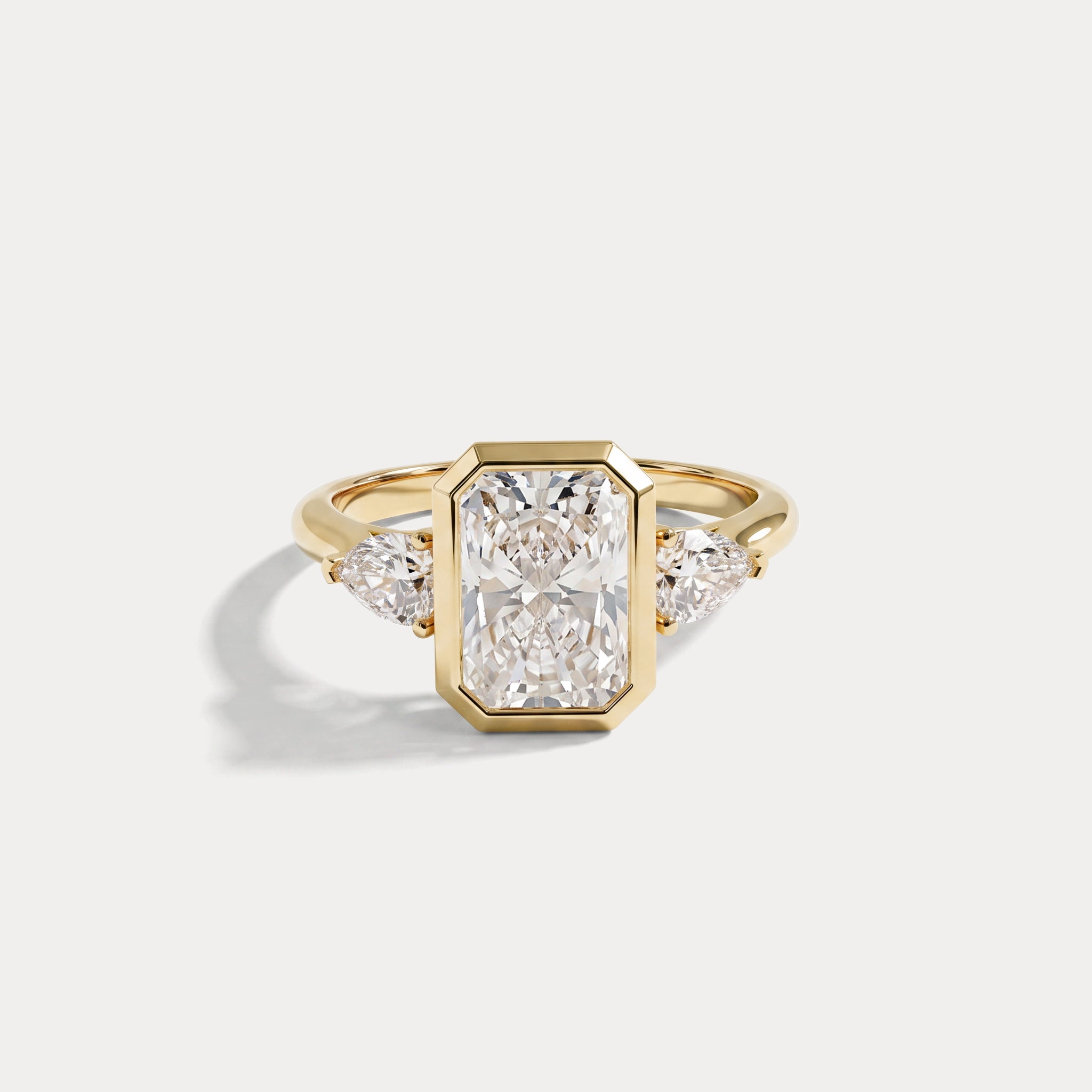
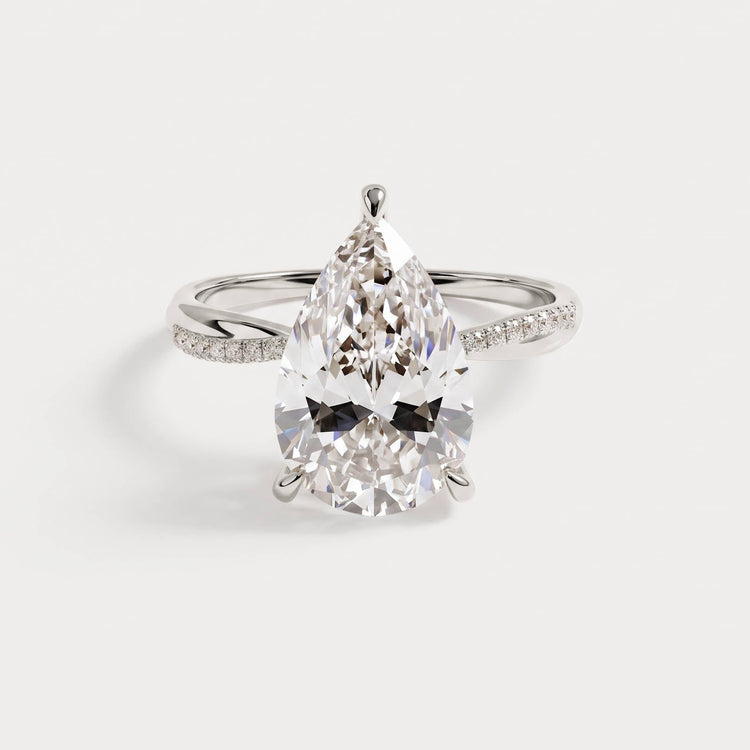
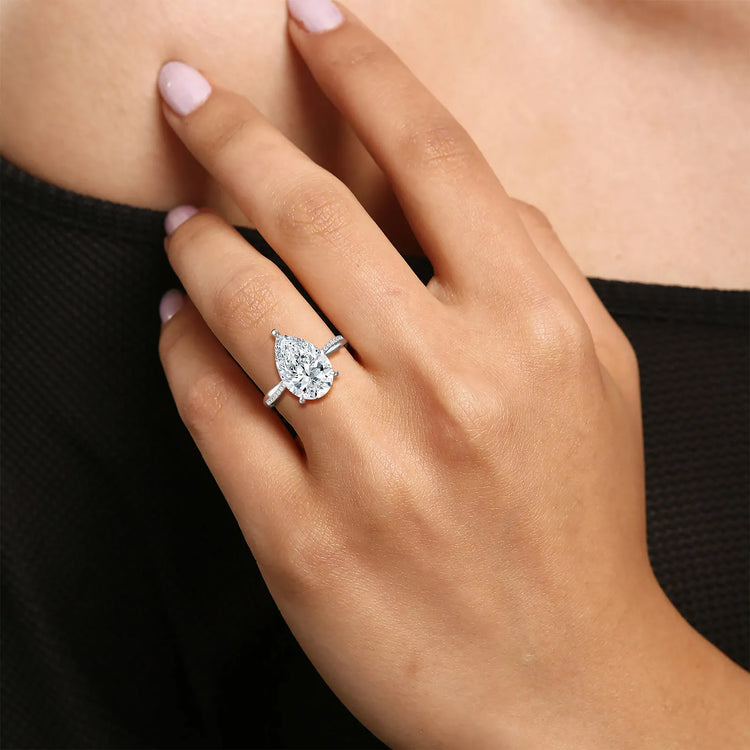
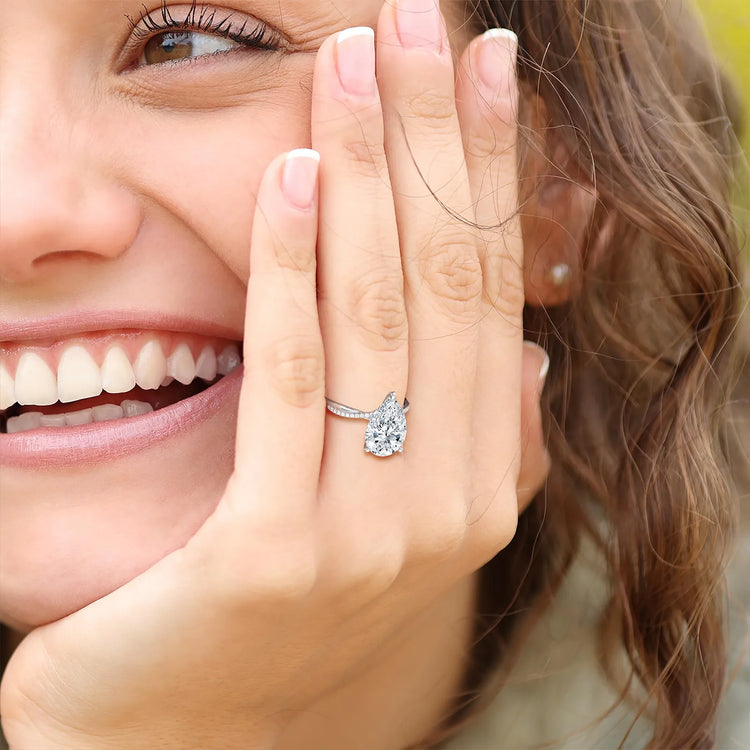
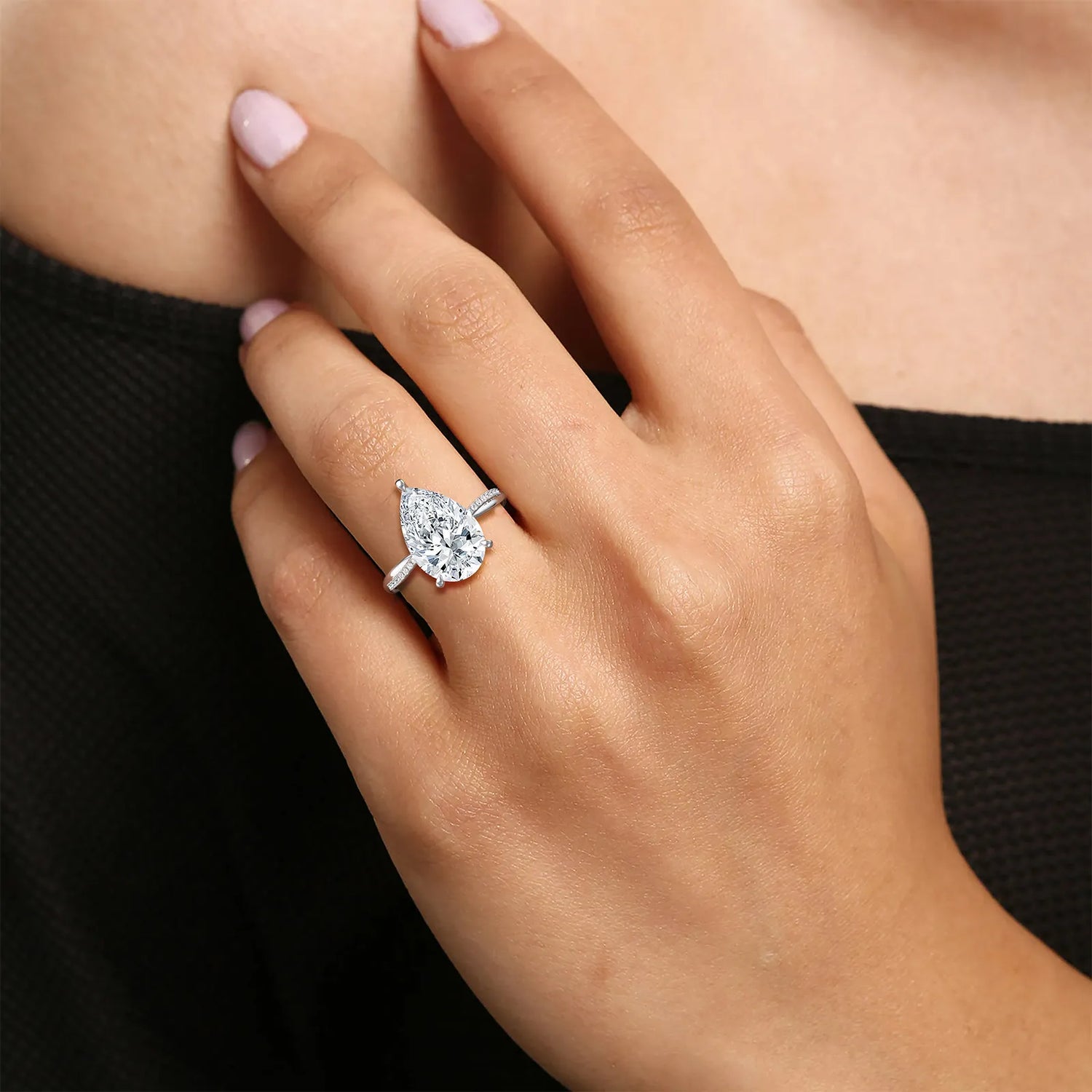
If you want more detail than a solitaire but less coverage than a halo, Leonids’ collection of 80+ lab-grown diamond side-stone engagement rings adds sparkle while keeping the center diamond in focus. 2 carat is Leonids' best-selling center diamond size for side-stone engagement rings. Start with an oval, round, pear, emerald, radiant, marquise, Asscher, elongated cushion, or heart center diamond in the carat size you want. Pair it with baguette, pear, marquise, round, floral, or mixed shape diamond accents to create the balance and finger coverage you prefer. Pavé shoulders, secure prongs, channel settings, twisted bands, and split shanks give each ring a different look and feel. Explore our split shank engagement rings with side diamonds to compare Miranda’s intertwined bands and small side accents with Pascale’s oval center diamond and pavé crossover bands. Yellow, white, or rose gold adds color, while platinum gives the ring a bright white finish. For a custom design, select an IGI certified center diamond, adjust the side stone size, setting height, band width, and wedding band fit, then add free engraving.




Sort by:




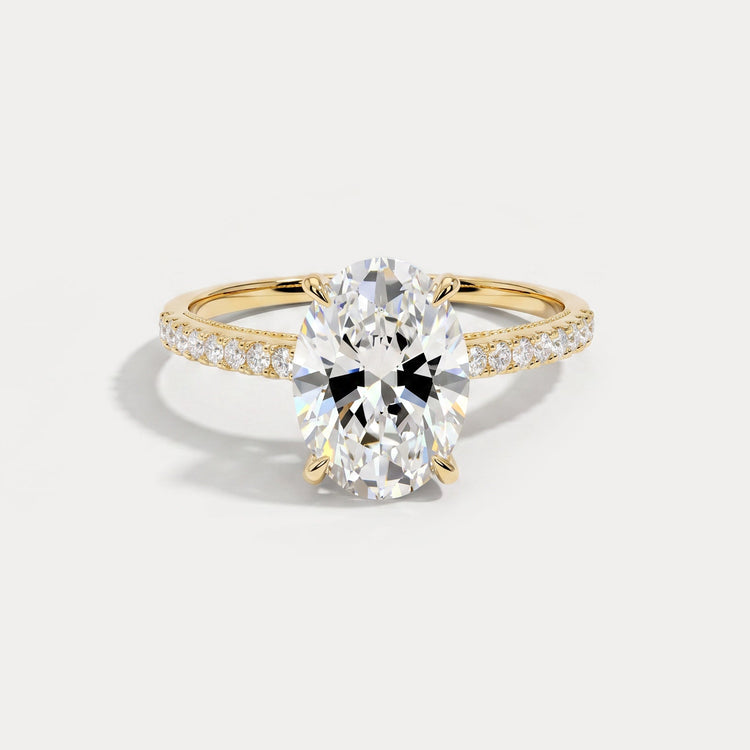
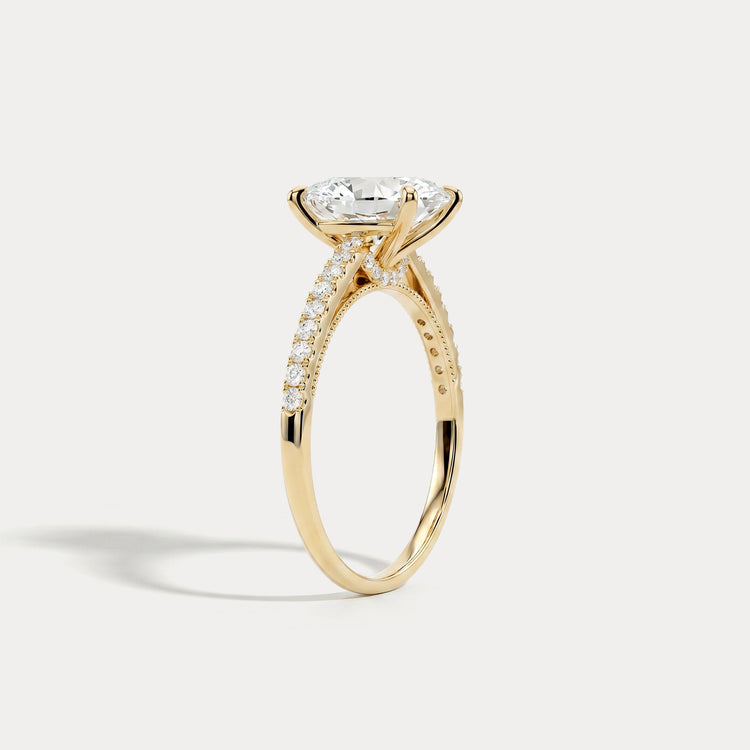
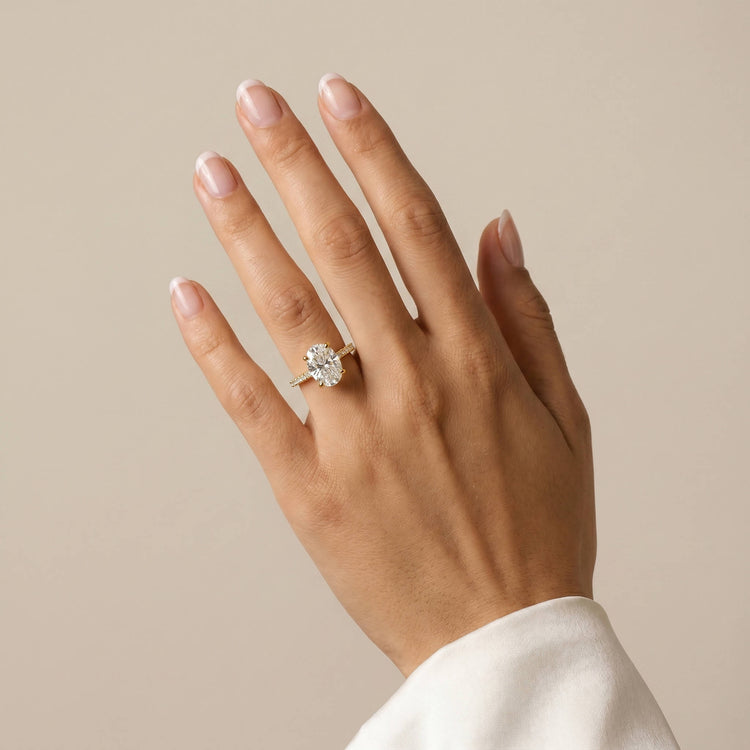


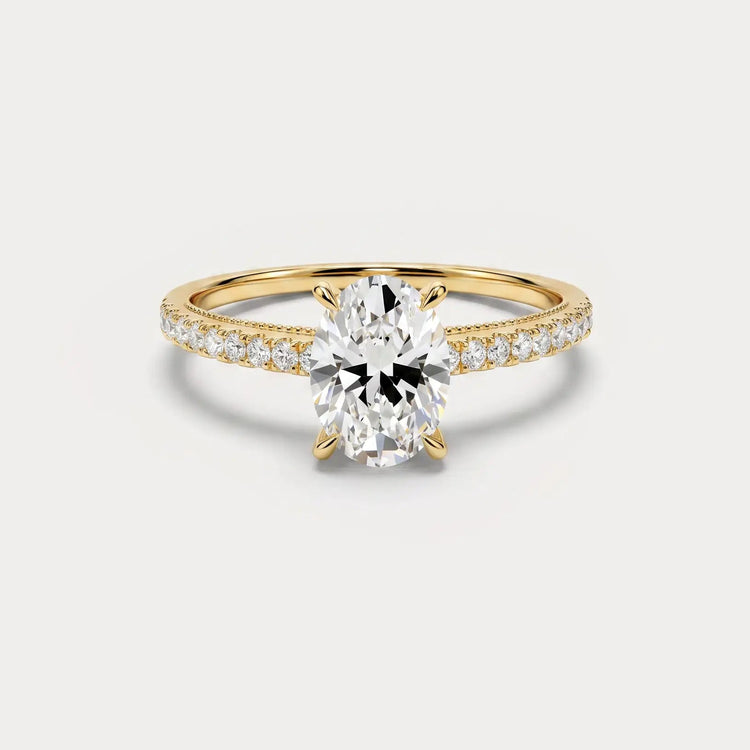
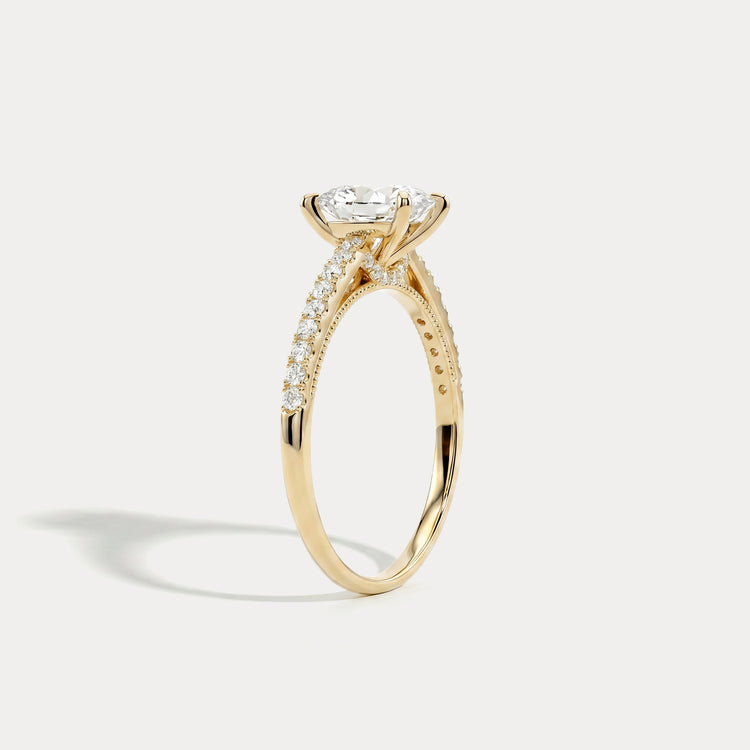
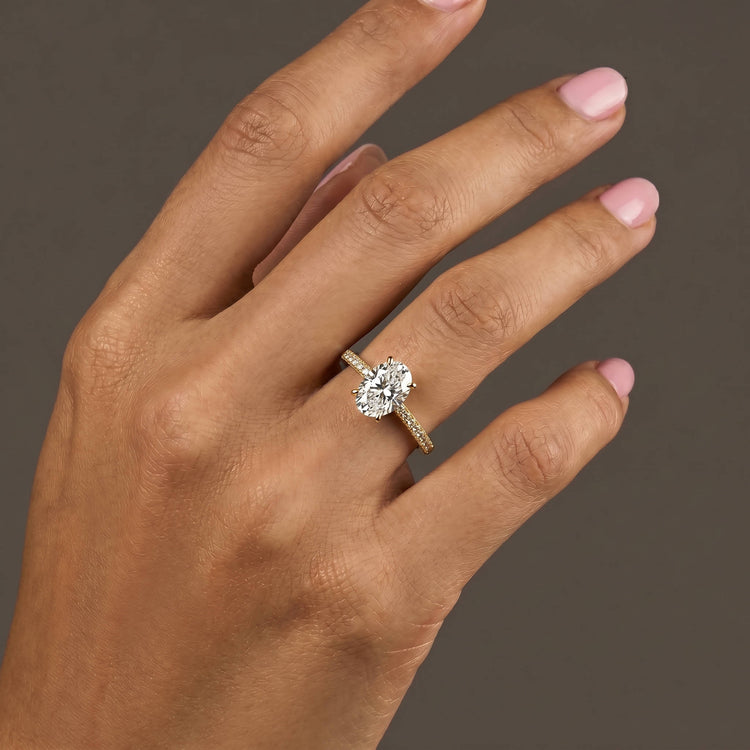


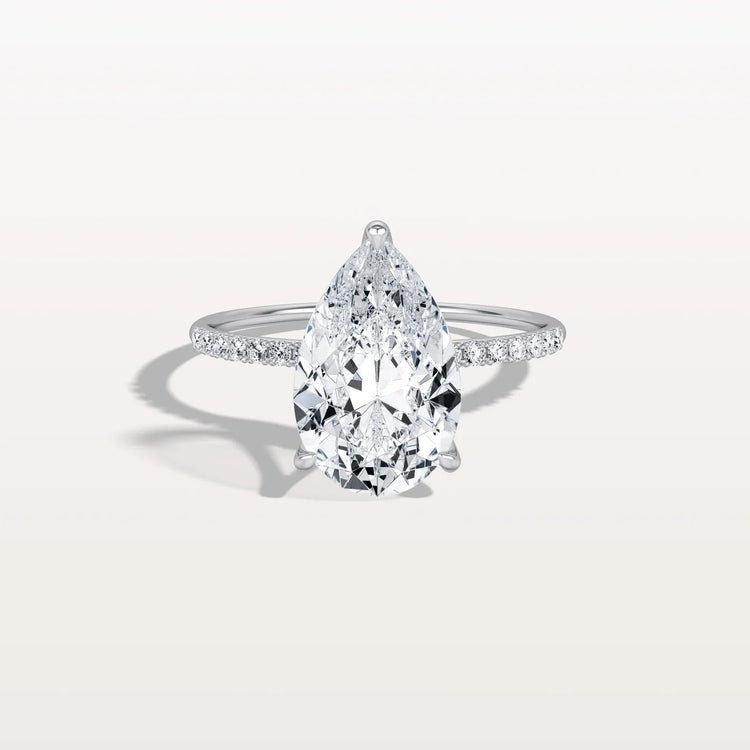
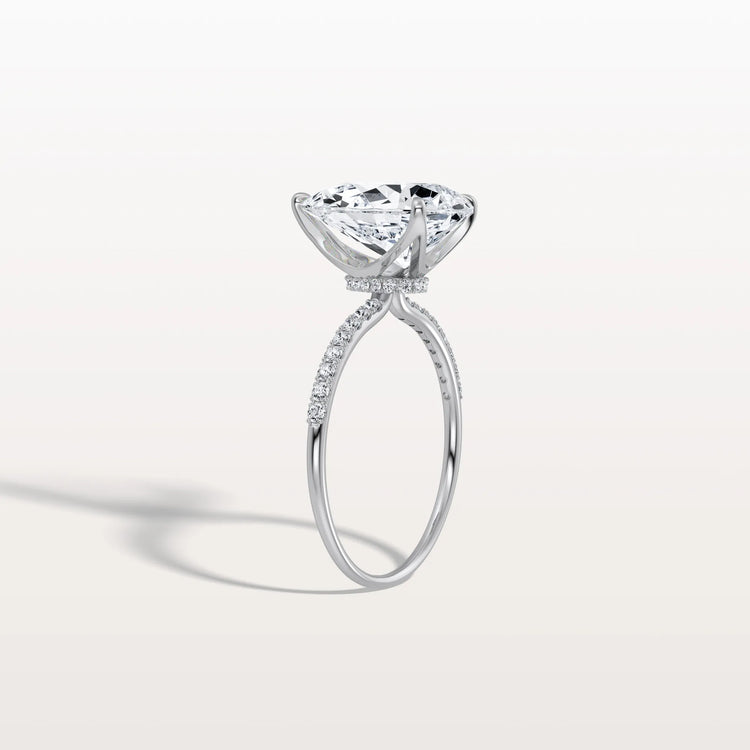
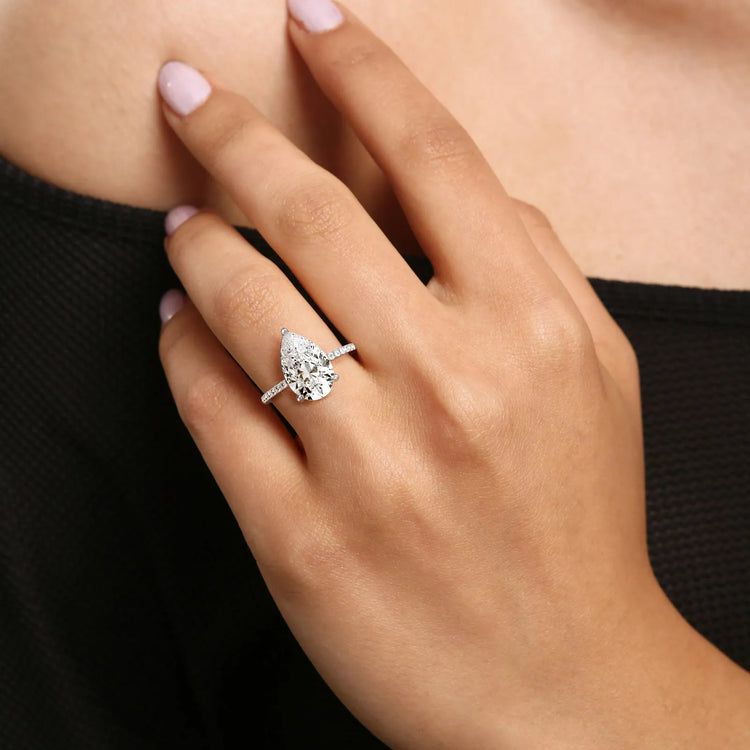


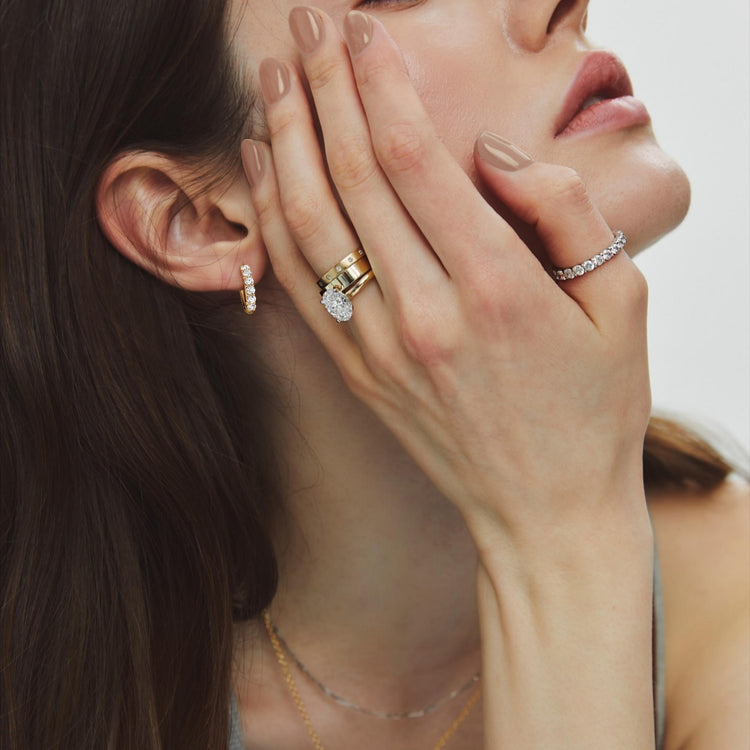
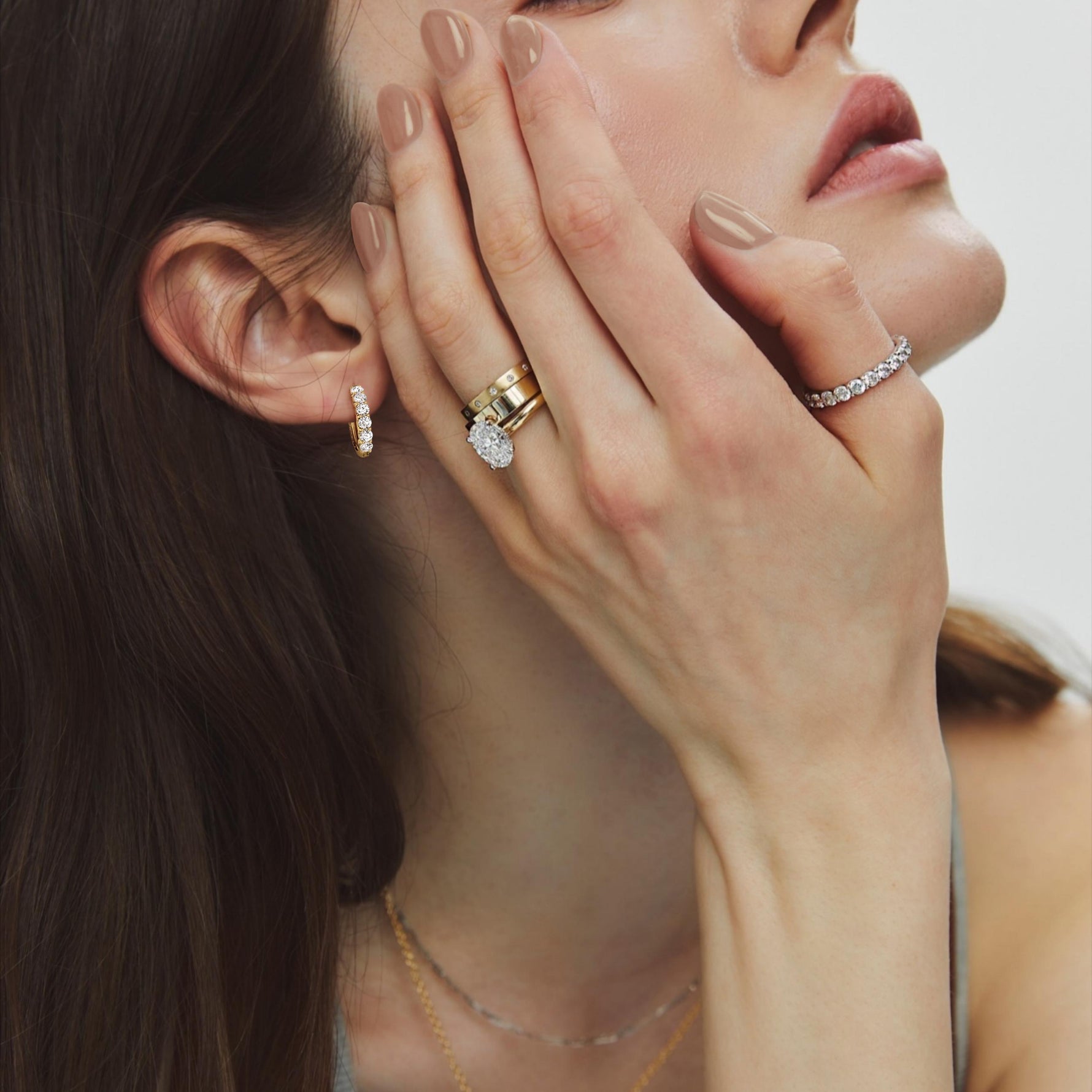

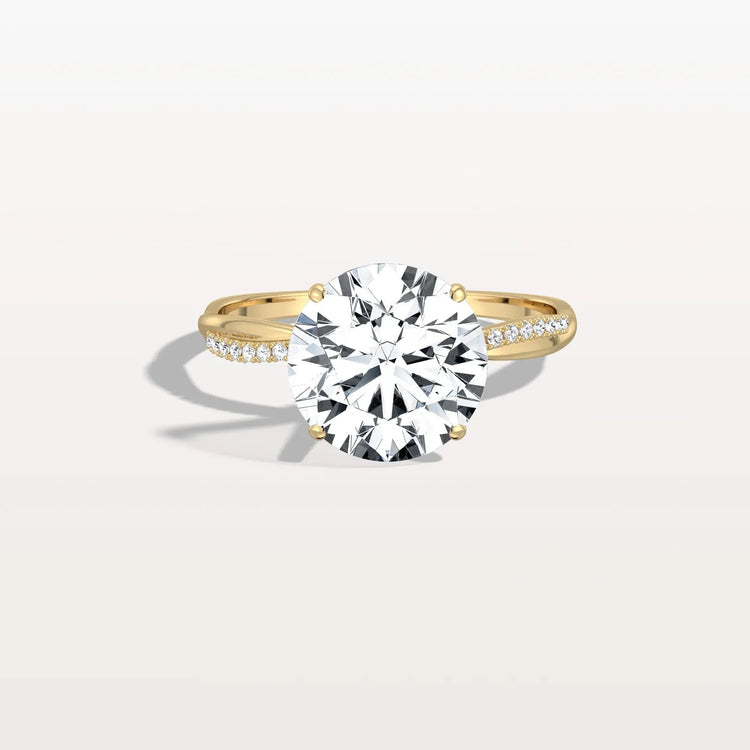
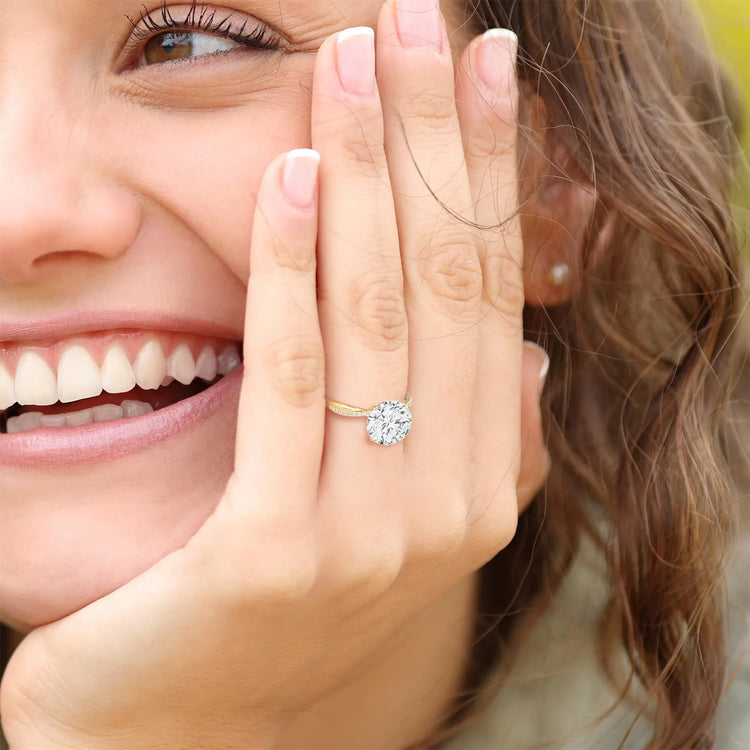
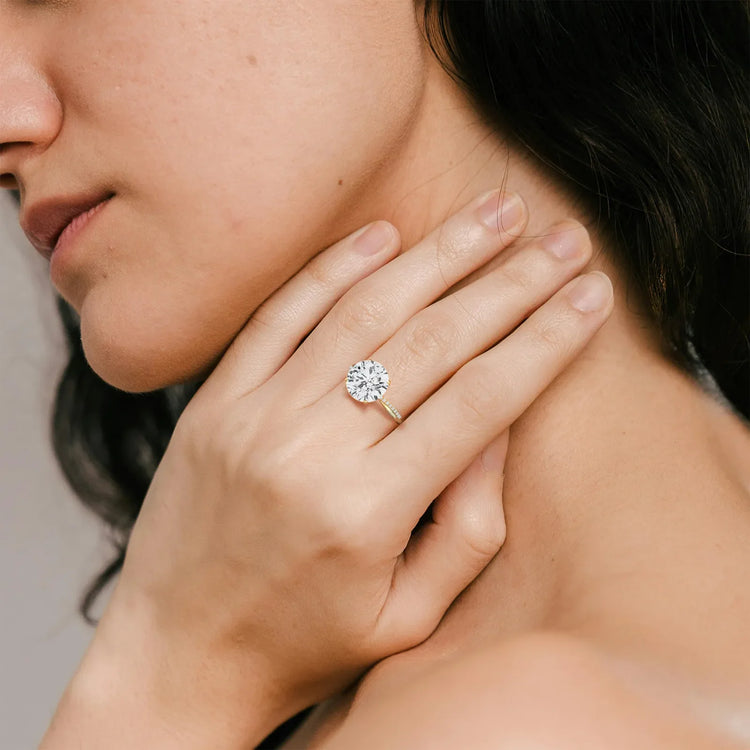


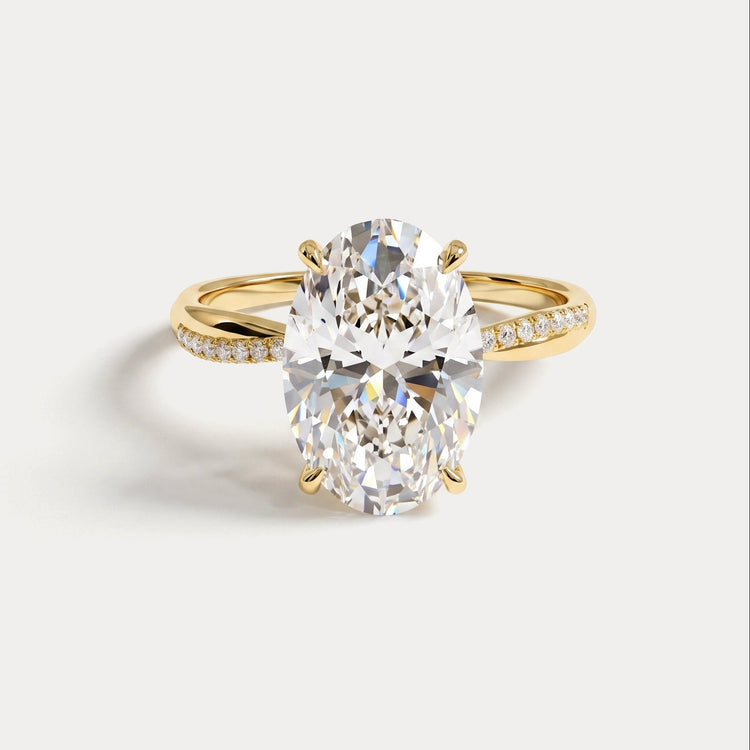
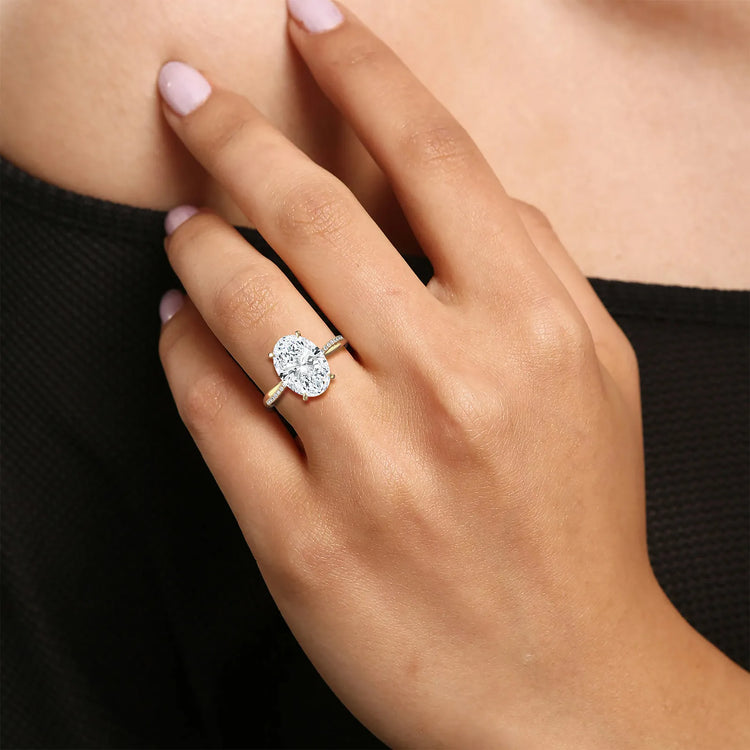
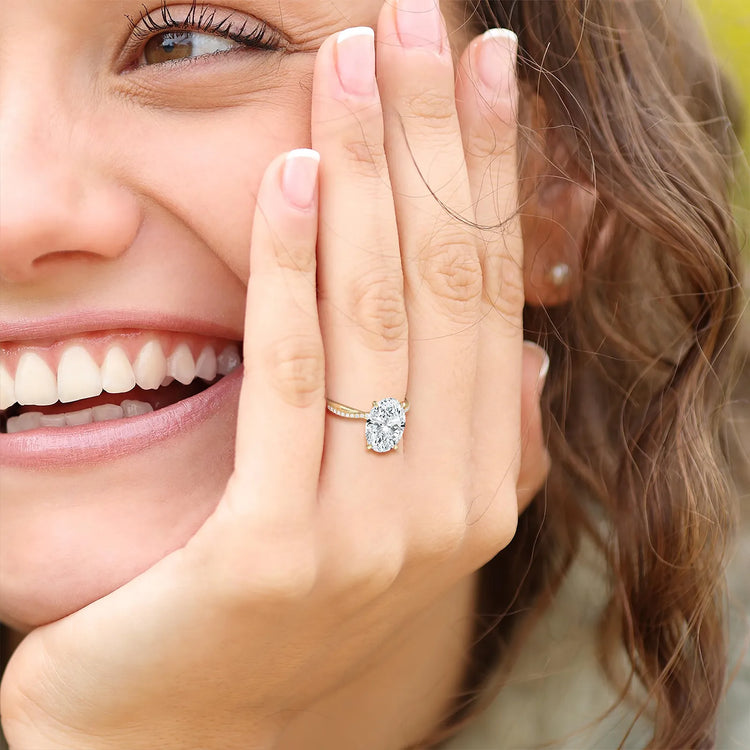
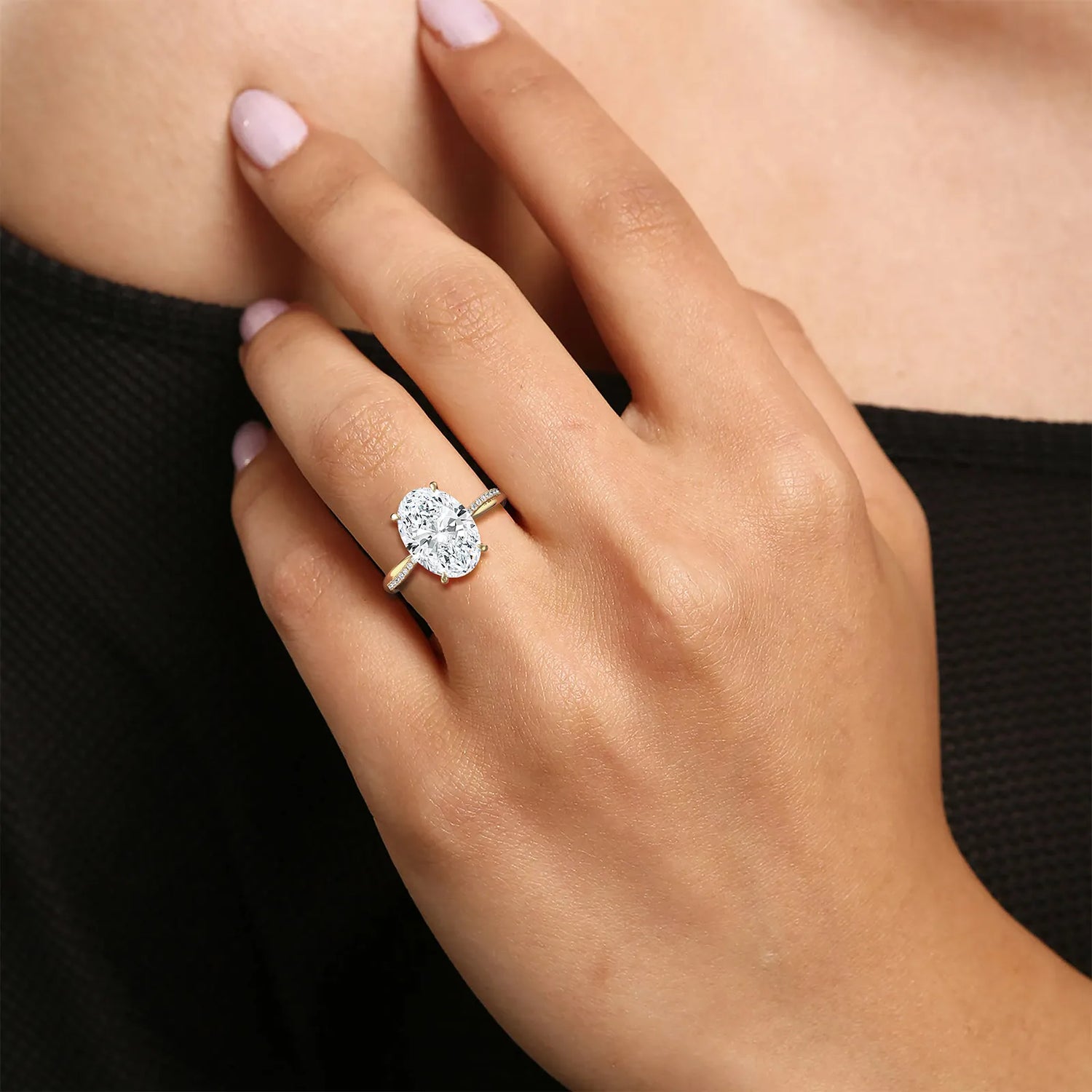
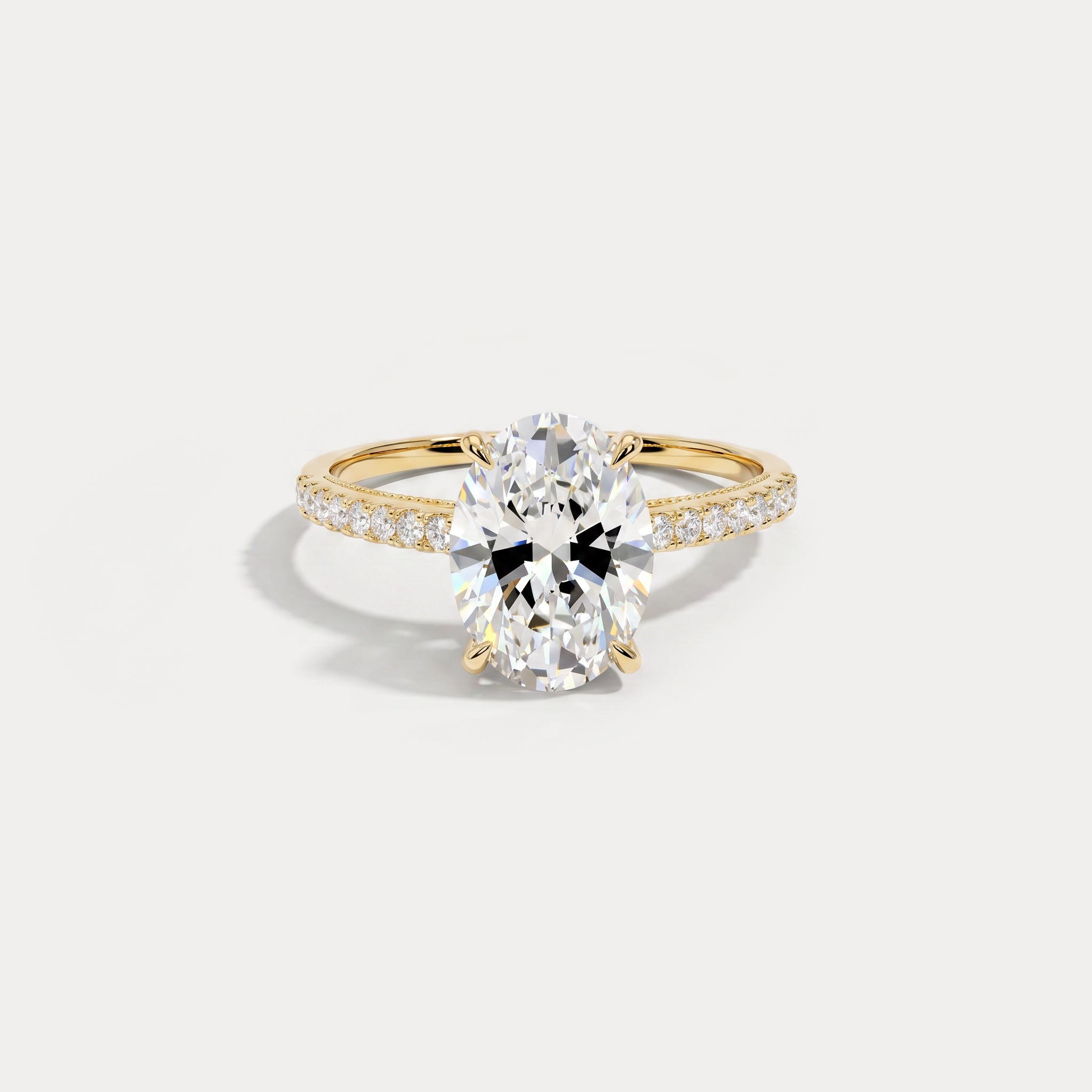
Amara丨3CT Oval Cut Lab Diamond Twisted Engagement Ring In Solid Gold/Platinum
$3,110.00
Unit price perAmara丨3CT Oval Cut Lab Diamond Twisted Engagement Ring In Solid Gold/Platinum
$3,110.00
Unit price per
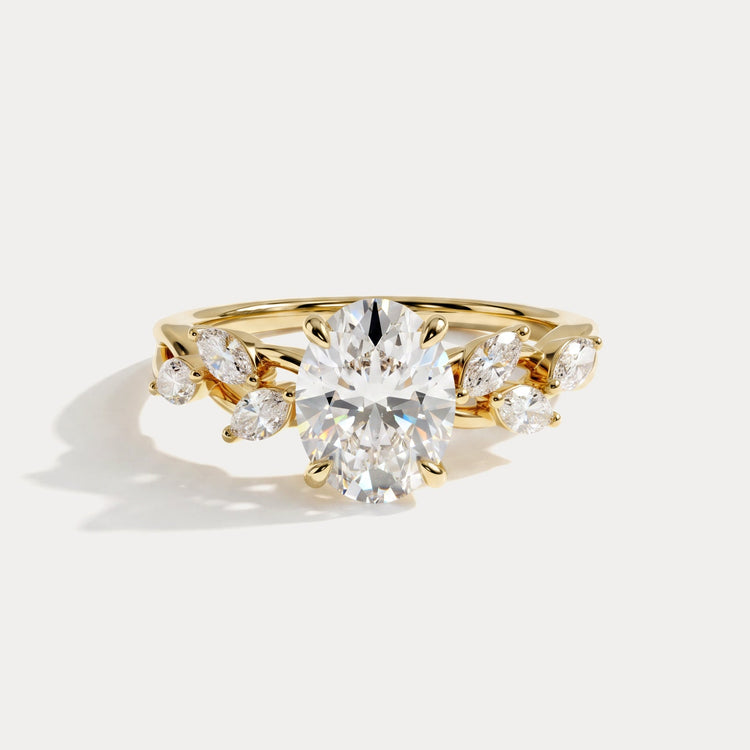
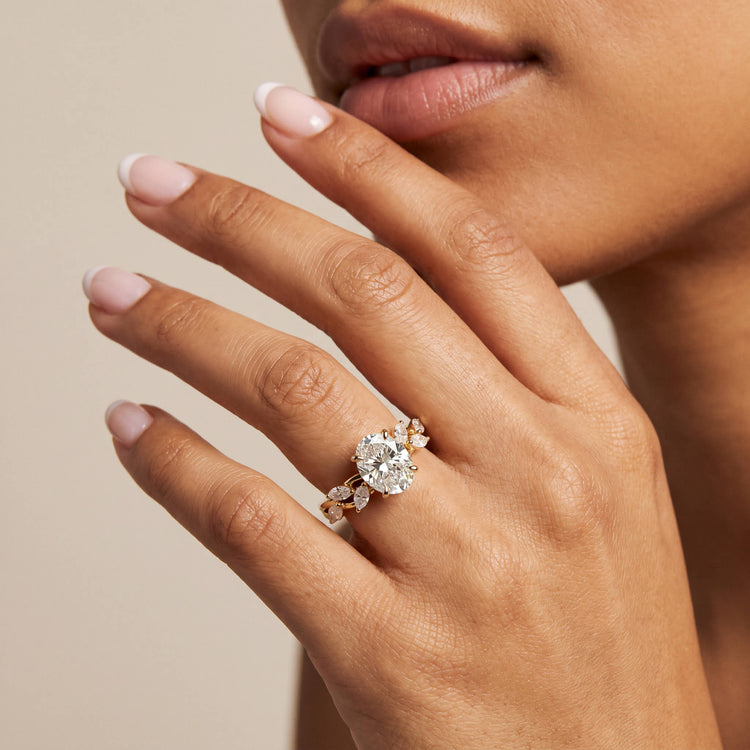
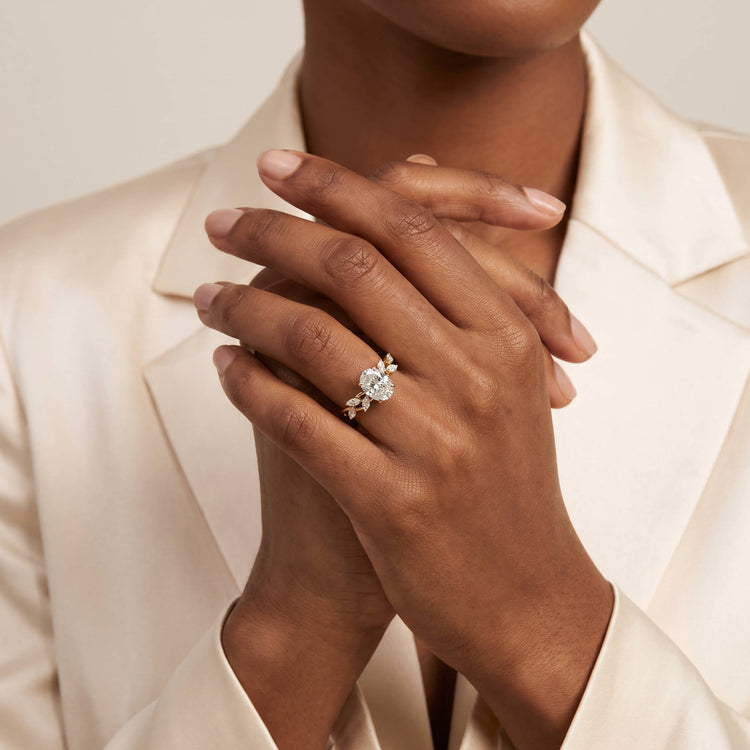


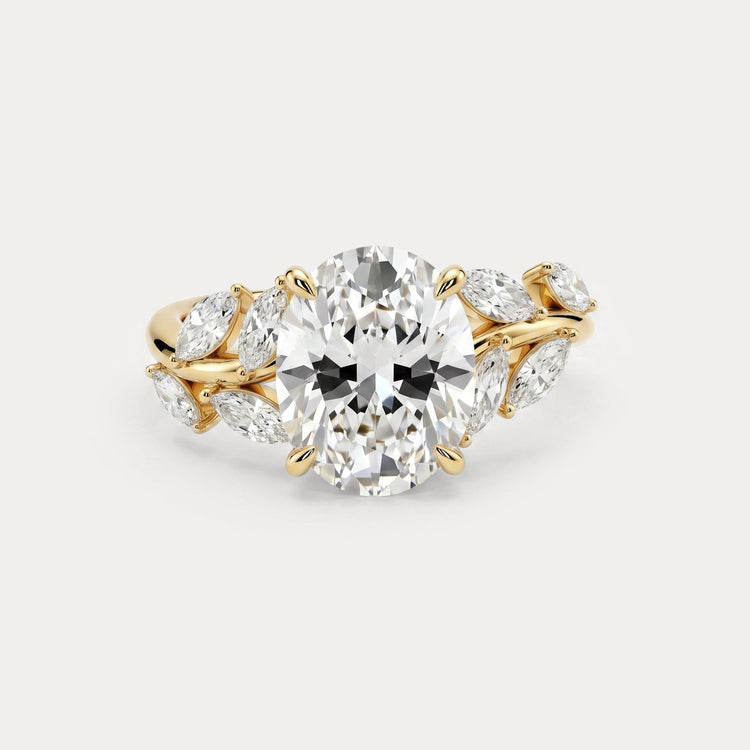
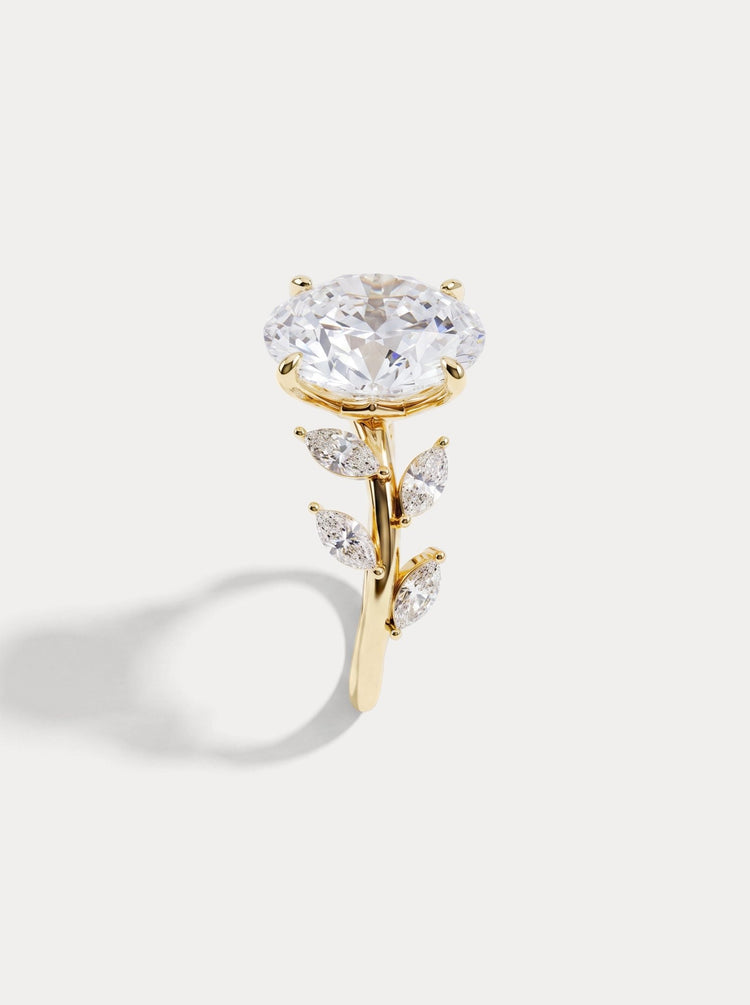
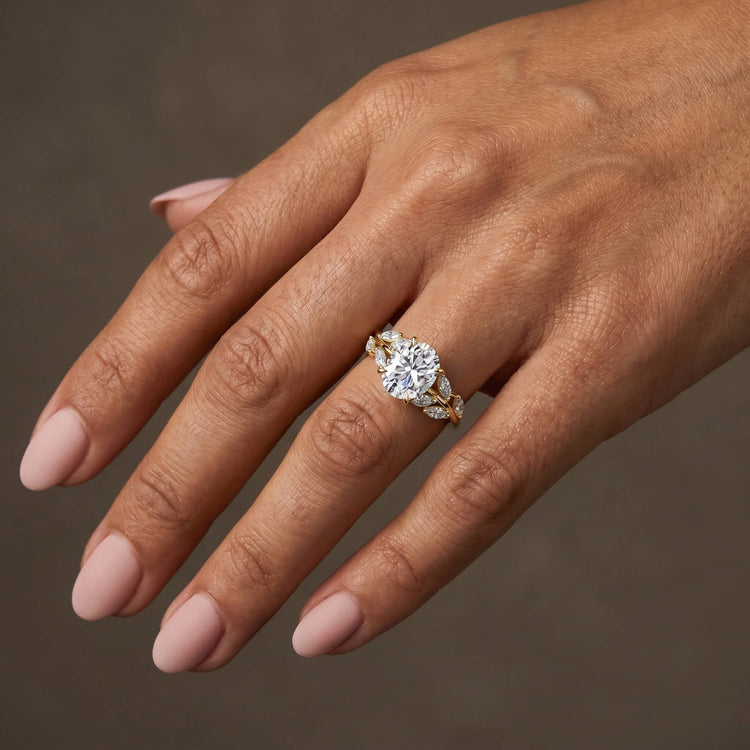

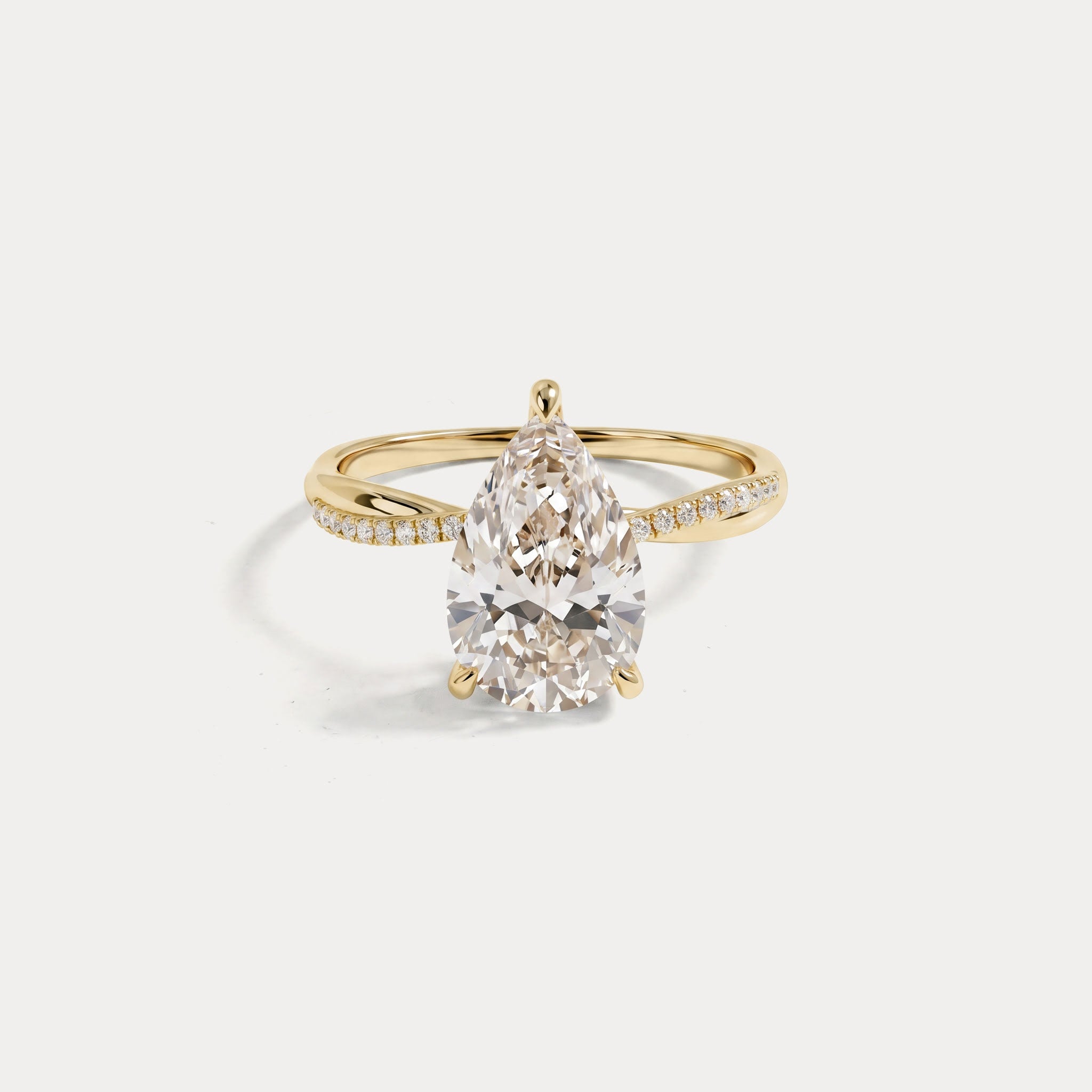
Vesper丨Oval Lab Diamond Engagement Ring with Marquise Leaf Diamond Band
From $1,250.00
Unit price perVesper丨Oval Lab Diamond Engagement Ring with Marquise Leaf Diamond Band
From $1,250.00
Unit price per
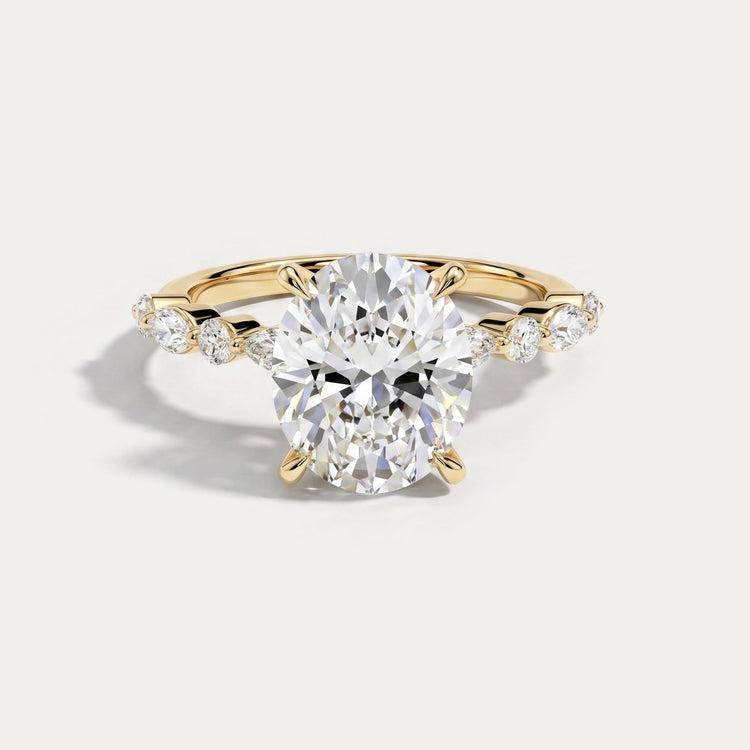
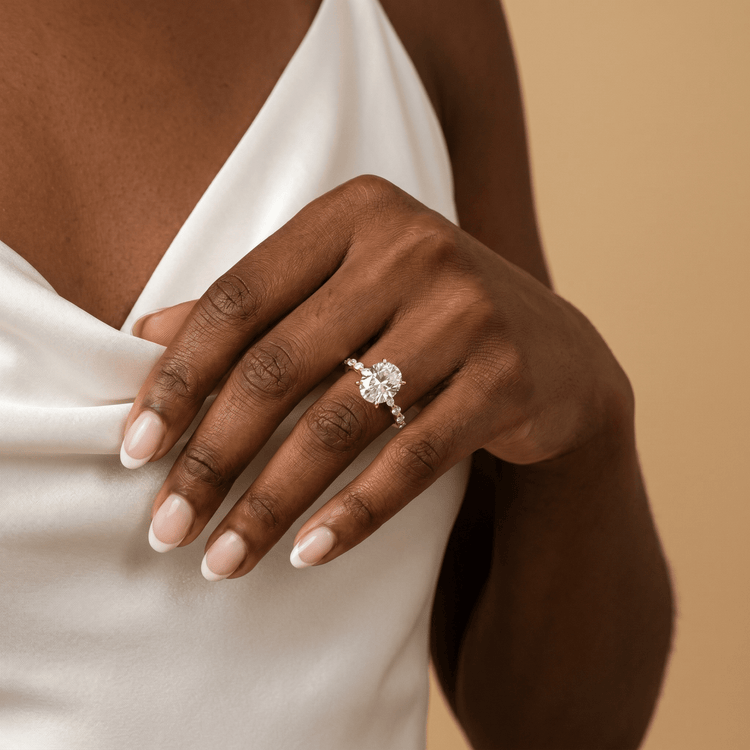
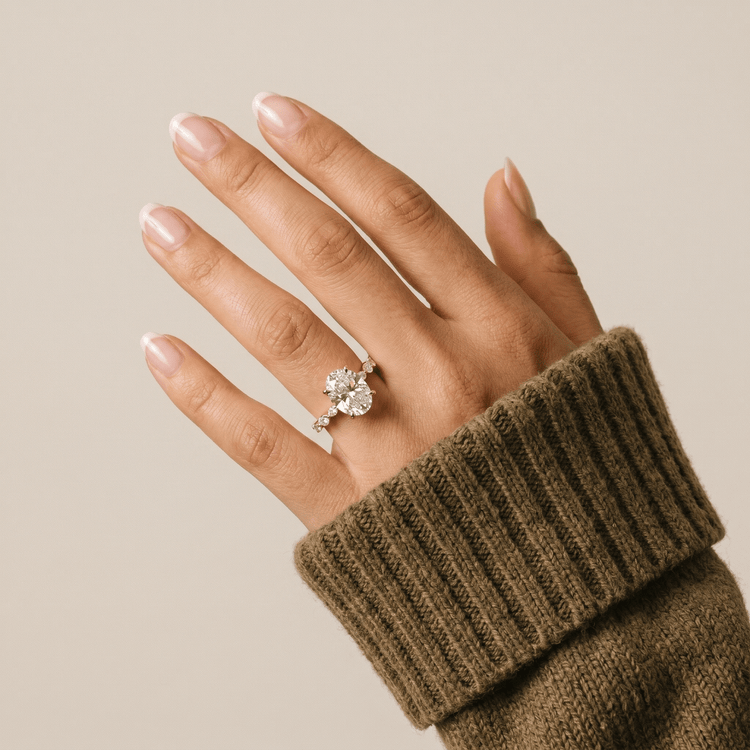

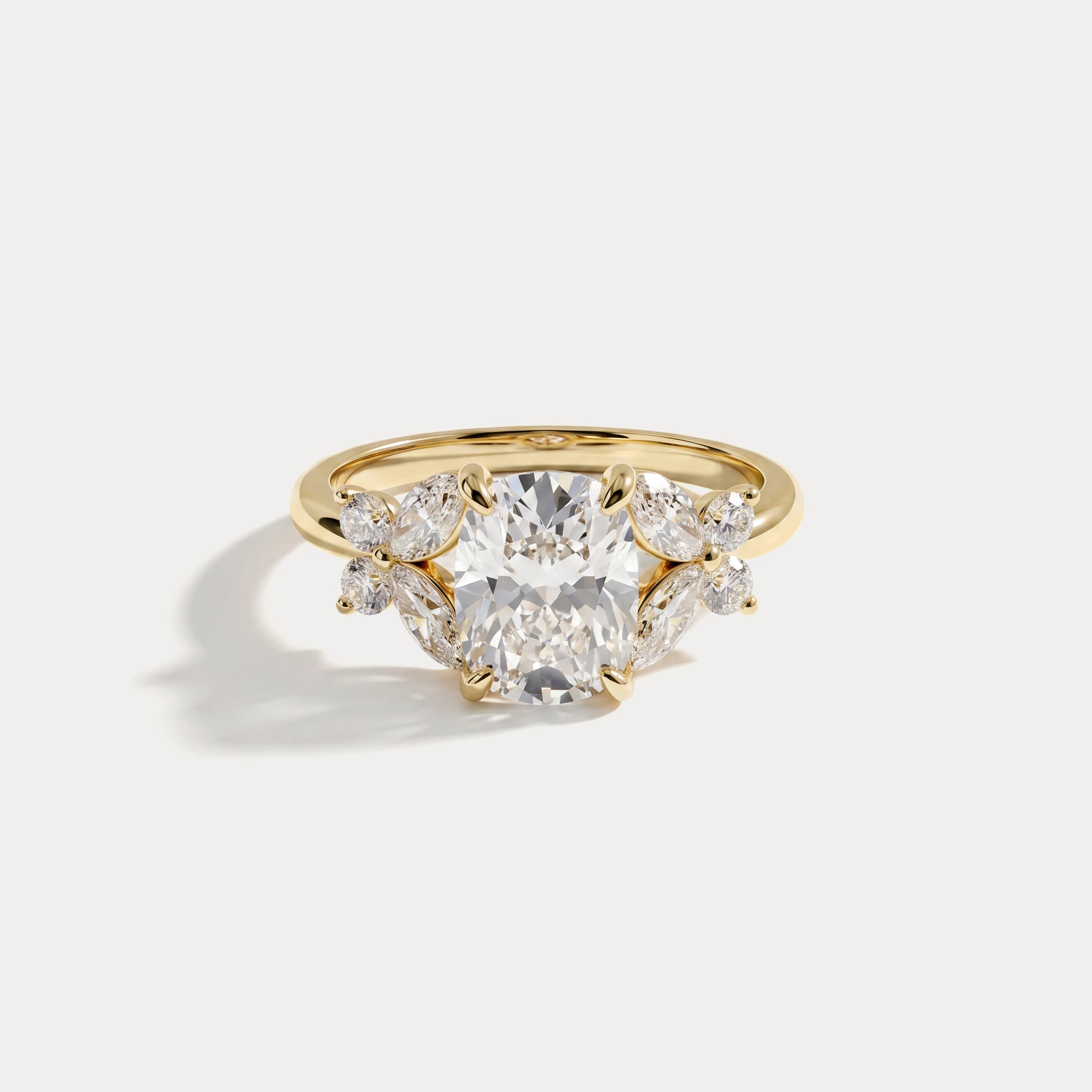
Harlow丨Oval Lab Diamond Engagement Ring with Marquise and Round Accent Diamonds
From $1,220.00
Unit price perHarlow丨Oval Lab Diamond Engagement Ring with Marquise and Round Accent Diamonds
From $1,220.00
Unit price per
Showing 10/92
Lab Grown Side Stone Engagement Rings FAQ
A side stone engagement ring keeps the center diamond as the main focus. Smaller accent diamonds sit beside it or along the band. A three-stone engagement ring uses three main stones, with two larger stones framing the center. Source: Jewelers Mutual: What Is Timeless Jewelry?. GIA: How to Buy a Three Stone Engagement Ring. GIA: How to Build Your Own Engagement Ring.
Oval diamonds pair well with pear, half moon, or tapered baguette side stones. Round diamonds work with round, pear, or baguette accents. Emerald and radiant center diamonds often pair with tapered baguette or trapezoid side stones for a clean shape. Source: GIA 2025 Oval Cut Diamond Guide. GIA 2025 Round Diamond Engagement Ring Guide. Jewelers Mutual: Step Cut Diamonds. GIA: Radiant Cut Engagement Ring.
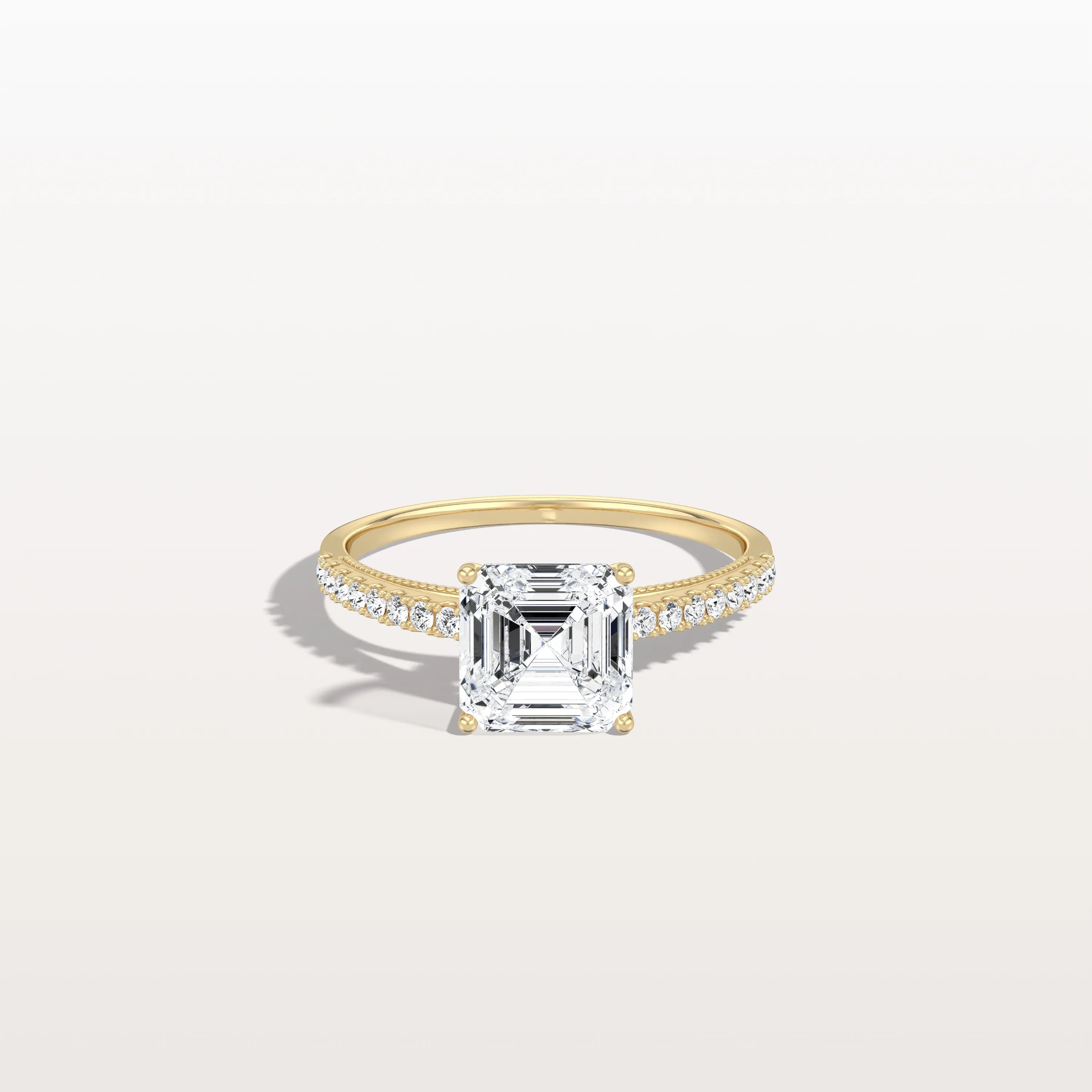
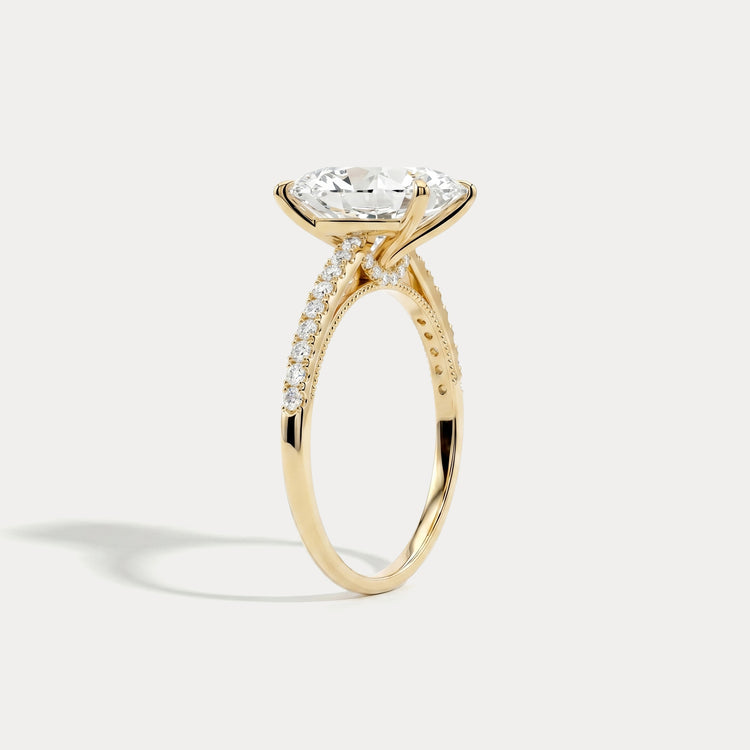
At Leonids, Harlow pairs an oval center diamond with alternating marquise and round accents. Melina pairs an oval center with double-row pavé shoulders, milgrain detail, and a hidden halo. Compare their top and side views, band details, and complete ring prices to choose the look you prefer.
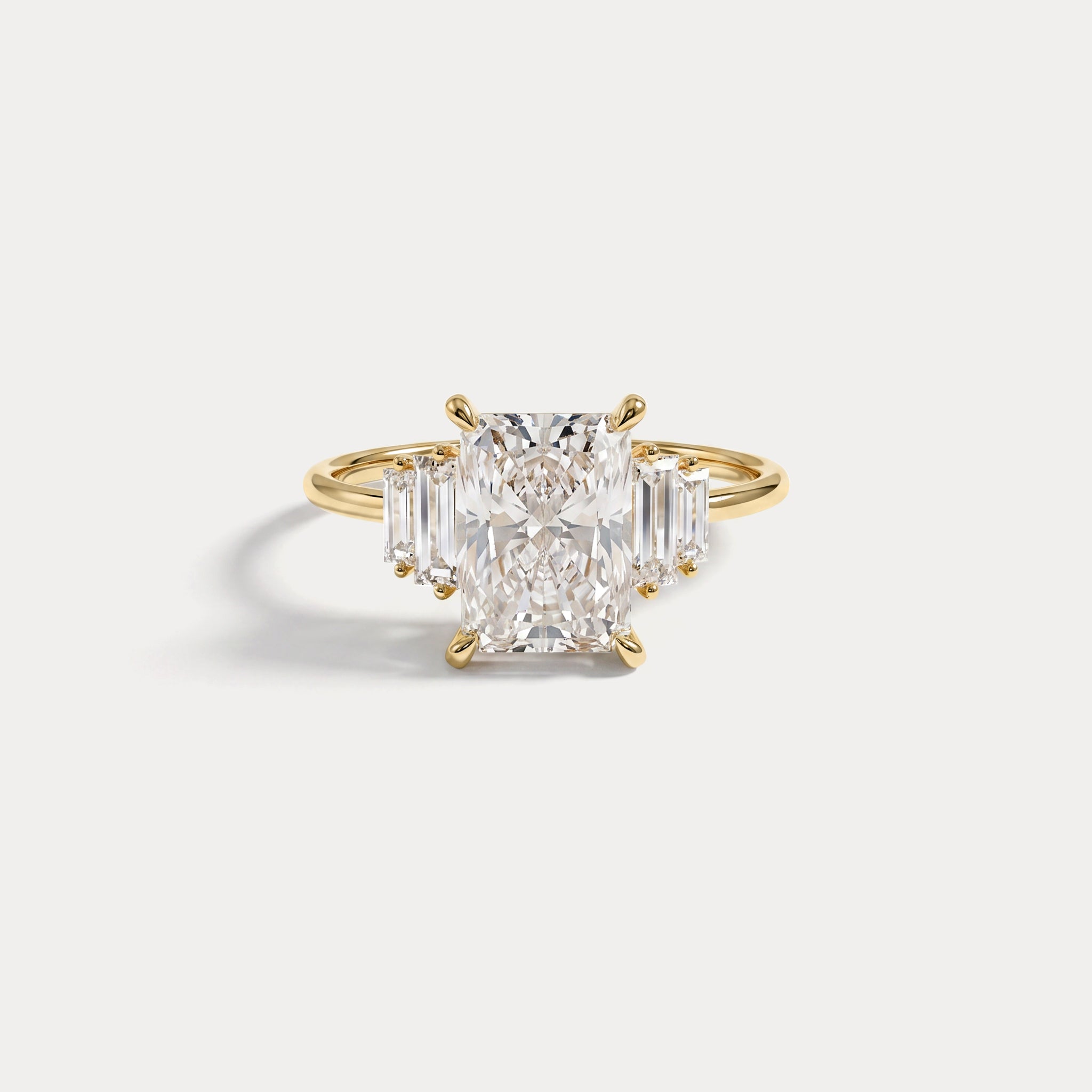
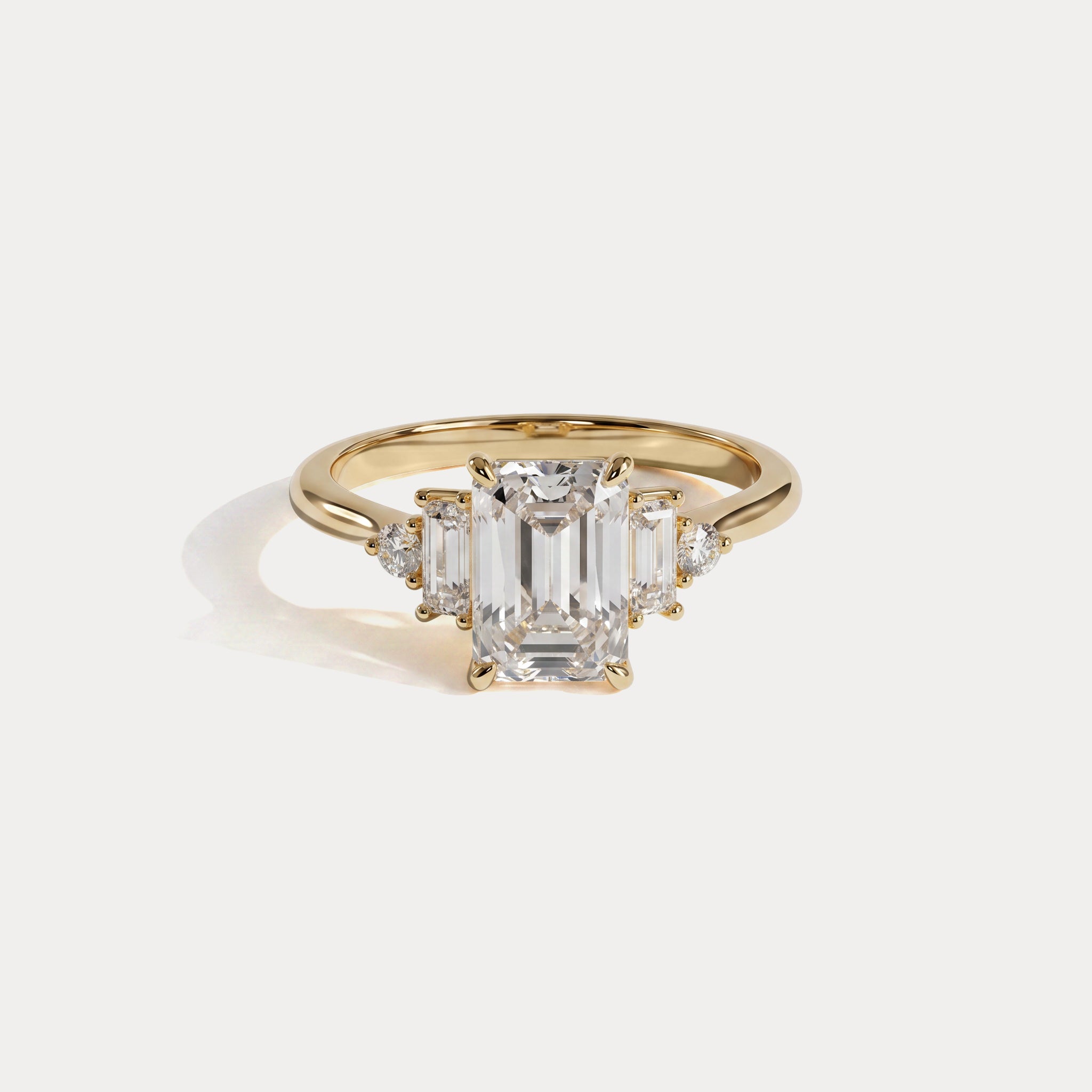
Yes. Doris features an emerald-cut lab grown center diamond with two baguette and two round side diamonds. Its baguettes sit beside the center stone. Check the center shape, side-stone details, and selected metal before choosing your ring.
Yes. A round center diamond can pair with separate baguette side stones. Round describes the center diamond’s shape, while baguette describes the side diamonds. For this combination at Leonids, contact our team to confirm design options, stone availability, and a complete ring quote.
Straight baguettes have parallel long sides. Tapered baguettes narrow toward one end. Compare the pair’s length, width, and taper to see how the stones fit beside the center diamond. Also check that their color and appearance look balanced together.
Start with a jeweler who can show the exact design or provide a drawing for a custom ring. At Leonids, contact our team to confirm whether we can make this combination. Review the side-stone measurements, center-diamond report details, metal, complete price, production time, and custom-order terms before ordering.
Side stones should frame the center diamond without taking attention away from it. Compare the visible width of each stone in millimeters, not only its carat weight. The center shape, finger size, and desired finger coverage will affect the right proportion. Source: GIA: How to Select Diamond Side Stones. ELLE 2026: Cassie’s Three Stone Engagement Ring.
Side stones do not need the exact same grades as the center diamond. Their color should look close when the stones sit together. Smaller side diamonds can have a lower clarity grade if they look clean and sparkle well.
Channel and bezel settings protect more of each side stone and are less likely to catch on clothing. Well-made pavé and prong settings can also work for daily wear. Choose secure prongs, smooth edges, and a band that is not too thin.
Choose a straight wedding band when the center setting leaves enough room beside the side stones. If a low basket or large side diamonds block the band, the two rings will not sit flush. In that case, choose a curved, contour, or open wedding band for a closer fit. Source: BRIDES: Engagement Ring Settings Guide.
Center stone carat weight counts only the main diamond. To find the total carat weight, add the center diamond and all side diamonds together. A 1 carat center diamond plus two 0.15 carat side diamonds gives the ring a total carat weight of 1.30 carats. Source: GIA: Nine Things About Diamond Carat Weight.
Small lab grown side diamonds usually do not have separate grading reports. The larger center diamond may come with an IGI report, while the smaller accent diamonds are matched by size, color, and clarity. Check both the center diamond weight and total carat weight before buying. However, we will provide an IGI certificate for any diamond with a single stone larger than 0.5 carats. Source: GIA: Melee Diamonds. IGI Lab Grown Diamond Report.
Leonids offers custom options for many side stone engagement rings. You can request changes to the side stone shape, stone size, band width, or setting height. Metal options include 14k yellow, white, and rose gold, with platinum available and 18k gold offered upon request.
What defines a side-stone engagement ring
A side-stone engagement ring features a center diamond supported by smaller diamonds along the shoulders or band. These side stones guide the eye toward the center, giving the ring a brighter, more dimensional feel than a classic solitaire. Many choose this style because it adds detail in a subtle, balanced way.
If you’re comparing styles, our solitaire engagement rings offer a clean single-stone look, while our full engagement ring collection shows all available settings.
Side-stone styles at Leonids
Within this collection, you’ll find pavé bands, baguette side stones, and twisted-band designs. Some pieces are delicate with a thin shank, while others feature more structure with matched stones framing the center diamond. Each ring is hand-set by our craftsmen and made to order in small batches to ensure precise placement and long-term durability.
We primarily work with 14k gold, with platinum available and 18k gold offered upon request. If you want a different metal or need to change details like band width or stone size, our team can help. Just reach out through the contact page or chat.
Diamond shapes that pair well with side stones
1. Oval side-stone engagement rings
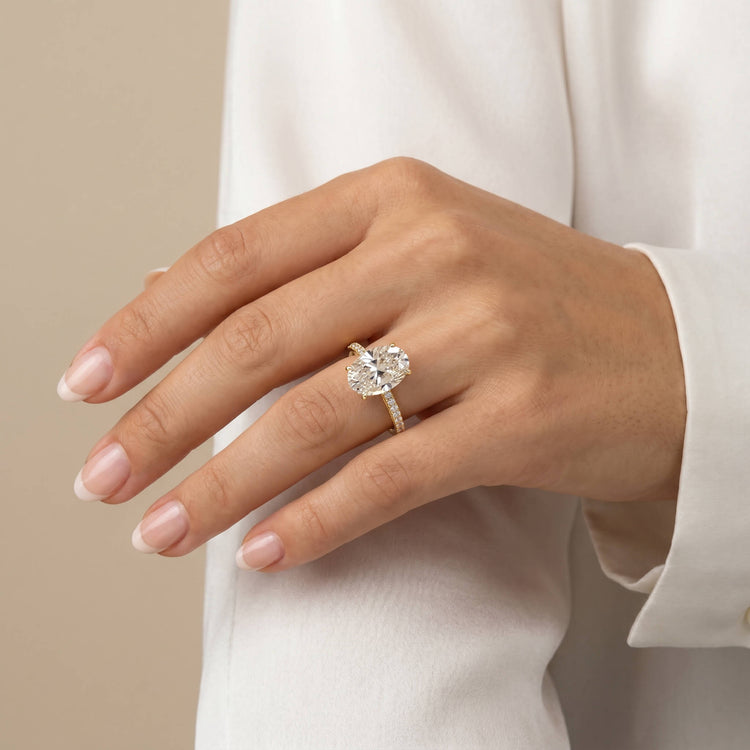
Oval diamonds pair beautifully with pavé or baguette accents. Their length creates a smooth, elongating effect on the hand. For more variations, explore our oval engagement rings.
2. Radiant and emerald side-stone rings
Radiant and emerald cuts create a clean, structured look when paired with geometric side stones. These combinations feel modern while keeping the outline minimal. You can view similar shapes in our radiant and emerald collections.
3. Round and pear side-stone rings
Round diamonds gain width and balance from side stones. Pear shapes benefit from the added symmetry near the shoulders. Both offer a refined, softly sparkling profile.
Carat freedom and center-stone presence
Because Leonids is a factory-direct studio with no middlemen, you have more flexibility when choosing larger stone sizes. Side-stone settings work well with one to three carat center stones. They add presence to the ring while keeping a clean look. Many customers enjoy the ability to explore higher carat ranges without sacrificing cut or clarity.
Materials and craftsmanship
We use lab-grown diamonds selected for their cut, color and clarity. Each ring is crafted in 14k yellow, white, or rose gold, with platinum available and 18k gold upon request. Settings are finished to be comfortable for everyday wear and shaped with refined details that create a quiet luxury feel.
Our rings are hand-set by skilled craftsmen, ensuring secure pavé or prong settings for both the center and side stones. If you'd like to personalize your design, our team can assist with metal changes, band adjustments, or custom side-stone variations. Start a request through our contact page.
Why choose a lab-grown side-stone ring
A side-stone engagement ring already offers a more dimensional look. Choosing a lab-grown diamond lets you explore larger sizes and clearer options at a better price.
Every Leonids side-stone engagement ring includes:
- Lab grown diamonds selected for cut, color and clarity
- 14k yellow, white, or rose gold settings, with platinum available and 18k gold upon request
- Secure, hand-set pavé or prong settings
- Made-to-order craftsmanship completed in small batches
- A clean, comfortable profile designed for everyday wear
- Refined details finished by our craftsmen
- Free engraving and sustainable packaging
More To Explore

Engagement Rings >

Fine Jewelry >

Wedding Bands >
Buying Guides


We focus on IGI certified lab grown diamonds, & offer a variety of gemstone options for customers with limited budgets. Pieces are crafted in solid gold 10K~18K or platinum, custom design available. Orders are supported by resizing, warranty, returns, & international shipping services.

- Choosing a selection results in a full page refresh.
- Opens in a new window.