


Last updated: June 2026
If your earlobes flare up at the slightest touch of jewelry, you know the struggle. Nearly 20% of people report nickel‑related contact dermatitis, according to the American Academy of Dermatology¹. Irritation, itching and swelling can put a damper on your style, but you don’t have to give up your favorite looks. Read on to find earrings that deliver both comfort and sparkle.
The best earring materials for sensitive ears are titanium, platinum, and niobium, all of which are completely nickel-free. Nickel-free 14K and 18K solid gold are also safe for most people. The metal to avoid is anything containing nickel, which causes the large majority of earring-related skin reactions.
Best Earring Materials for Sensitive Ears (Comparison)
| Metal | Hypoallergenic | Nickel Content | Durability | Tarnish Resistance | Price Range | Skin Safety |
|---|---|---|---|---|---|---|
| 14k Yellow Gold | Yes (High) | Usually none or very low | Good | Excellent | $$$ | Safe for most people |
| 14k White Gold | Moderate | Often contains nickel | High | Excellent | $$$ | May cause reaction if plating wears off |
| Platinum | Yes (Very High) | None | Very High | Excellent | $$$$ | Excellent for all skin |
| Titanium | Yes (Very High) | None | High | Excellent | $$ | Ideal for extremely sensitive ears |
| Surgical Stainless Steel | Moderate to High | Trace amounts | High | High | $ | Depends on grade; 316L or 316LVM is best |
| Sterling Silver (.925) | Medium | Usually nickel-free | Moderate | Low | $$ | Safe, but tarnish may cause irritation |
| Niobium | Yes (Very High) | None | Moderate | High | $$ | Excellent for allergies |

Why Earrings Can Irritate Your Skin
Earrings irritate sensitive skin mainly because of nickel, an alloy metal that releases ions when it contacts sweat and triggers an allergic immune response. Most metal allergies stem from nickel, a common alloy ingredient in jewelry. When nickel ions mix with perspiration, they bind to skin proteins and trigger an immune response². Symptoms include:
- Red, itchy patches around the piercing
- Burning or tender sensation
- Dry, flaky skin near the earlobe
If these sound familiar, you need earrings made from metals designed to avoid allergic reactions. Curious why some metals discolor skin? See our guide on does gold turn green.

What Does "Hypoallergenic" Really Mean?
"Hypoallergenic" means a material is less likely to cause a reaction, but the term is unregulated in jewelry, so it is not a guarantee. The label “hypoallergenic” implies a product is less likely to cause an allergic reaction. No governing body enforces its use in jewelry, so brands can apply it loosely. When buying jewelry, always look for clear alloy information or a nickel‑free guarantee.
Tip: Prioritize metals that are either pure or manufactured to medical standards.
What Is the Most Hypoallergenic Metal for Earrings?
Platinum and titanium are the most hypoallergenic earring metals because both are bio-inert and contain zero nickel. Niobium is an equally safe third option. When severe reactions occur, dermatologists recommend platinum or titanium. Both are bio‑inert and rated safest by allergy experts. Platinum rarely causes contact dermatitis, and titanium’s medical‑grade purity makes it ideal for new or sensitive piercings.
1. 14K Solid Gold
Solid 14 K gold contains at least 58.3 percent pure gold. Its alloys often include copper or silver rather than nickel. Yellow and rose gold mixes typically avoid nickel entirely, making them the best metal for earrings on a budget.
- Advantages: Durable, timeless, easy to clean
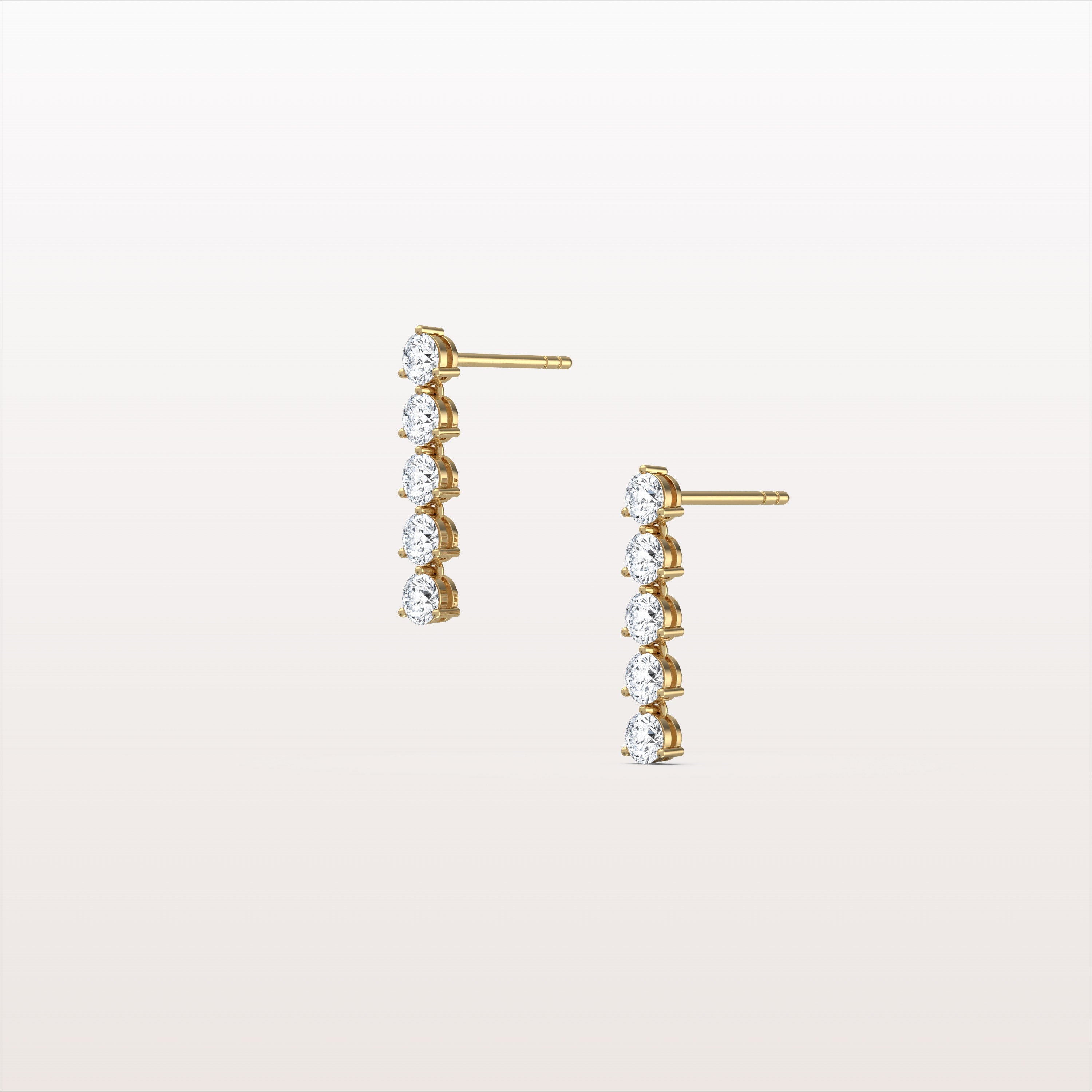
- Leonids Pick: Our 14K gold diamond stud earrings use recycled, nickel‑free alloy for guaranteed comfort.
2. 18K Solid Gold
With 75 percent gold content, 18K gold reduces alloy irritants further. It is softer than 14 K and requires more careful handling.
- Advantages: Higher purity, richer color
- Caution: More prone to scratches; avoid plated fashion pieces.
3. Platinum
Platinum is nearly pure (around 95 percent) and completely nickel‑free. Its density provides a satisfying weight without causing irritation.
- Advantages: Maximum hypoallergenic performance; never tarnishes
- Leonids Pick: Explore our platinum earrings for a secure, skin‑friendly fit. For a deeper comparison, read white gold vs platinum and white gold vs silver vs platinum.
4. Titanium and Niobium
These metals earn medical‑grade use in implants because they do not release ions into the body. Titanium offers exceptional strength with minimal weight. Niobium can be anodized for a range of skin‑safe colors.
- Advantages: Ultra hypoallergenic; creative color options
- Style Tip: Choose lightweight titanium threads or niobium adorned hoops.
5. Surgical Stainless Steel (316L/304L)
Not all steel is safe; look for “implant grade” or “surgical grade” labels. These alloys maintain strict corrosion resistance and nickel limits.
- Advantages: Affordable; durable; readily available
- Caution: Confirm the grade, and avoid general “stainless steel” jewelry.
External Source: For details on nickel contact dermatitis, see the American Contact Dermatitis Society¹.

Best Type of Earrings for Sensitive Ears
The best earring styles for sensitive ears are studs, huggie hoops, threaders, and flat-back designs, because they minimize friction and contact with the piercing.
Choosing the right style can reduce friction and prevent debris buildup.
1.Stud Earrings
Classic studs keep contact minimal. Our hypoallergenic diamond earrings feature lab‑created diamonds set in 14 K gold or platinum. They sit flush against your earlobe and are quick to clean.
- Leonids Pick: Lab-created diamond stud earrings in 14 K yellow gold
- New to stud sizing? See our earring stud size chart and the guide to how big 4mm, 5mm, and 6mm studs look.

2.Huggie Hoops
These small hoops hug the earlobe to limit movement. A secure closure prevents accidental tugging or catch.
- Leonids Pick: Hoops between 10–14mm are the most popular for daily wear. They’re light, comfortable, and pair well with everything. For size guide, visit our Hoop Earring Size Chart.

3. Threader and Sleeper Styles
Threaders slide through the piercing, leaving no backing post to press against your skin. Sleeper earrings rest gently behind the ear, ideal for overnight wear.
- Advantages: Even weight distribution; minimal contact points4.
- Style Tip: Choose fine gauge wire under 0.8 mm for maximum comfort.
4. Screw‑Back and Flat‑Back Designs
Screw‑back earrings tighten against the lobe without pinching. Flat‑back earrings use a smooth disc instead of a traditional post, eliminating sharp edges or corners.
Best For: Fresh piercings or extremely sensitive skin.
5. Hypoallergenic Diamond Earrings
Hypoallergenic diamond earrings combine safe metals with some sustainable sparkle. Lab created diamond stud earrings replicate mined gems at a fraction of the cost and environmental impact. When set in nickel-free metals, they allow you to enjoy brilliance without compromise.

Caring for Earrings That Are Gentle on Skin
Proper maintenance keeps your hypoallergenic pieces performing at their best:
- Weekly Cleaning: Use mild soap and warm water. Rinse thoroughly.
- Brush Gently: Remove buildup from prongs or hoops with a soft toothbrush.
- Dry Completely: Moisture can trap bacteria and speed up corrosion.
- Store Separately: Keep each pair in its own anti‑tarnish pouch.
- Rhodium Touch‑Ups: If you wear white gold, plan a rhodium replating every 12–24 months.
For more detailed jewelry cleaning guide, you can check our caring guide here.
Resources:
¹ American Academy of Dermatology. Nickel Allergy. https://www.aad.org/public/diseases/eczema/insider/nickel-allergy
² NCBI Bookshelf. Nickel Contact Dermatitis. https://www.ncbi.nlm.nih.gov/books/NBK557638/
³ ASTM F138‑13 Standard Specification for Wrought Austenitic Stainless Steel Implant Materials
About the Author
Augie is a jewelry specialist at Leonids Jewelry with more than 10 years of experience in fine jewelry manufacturing, precious metals, and lab-grown diamonds. She works directly with jewelers, stone setters, and production teams to help buyers understand metal composition, hypoallergenic alloys, and long-term jewelry care.
This guide reflects current dermatological guidance on nickel allergy and metal sensitivity. It is informational and not a substitute for medical advice; if you have a known metal allergy, consult a dermatologist.
Shop Earrings



FAQs
Yes, if they are made with nickel-free alloys. Pure gold (24K) is too soft, so jewelers blend it with other metals for durability. Confirm that your 14K gold jewelry lists copper, silver or zinc, never nickel.
White gold relies on rhodium plating for its silvery finish. Once that plating wears away, nickel-containing base metals may react with your skin. For reliable hypoallergenic performance, opt for 14K yellow gold or platinum over white gold. Learn more in our guide to yellow gold vs white gold.
Platinum and titanium are top choices. They carry zero nickel and rarely provoke reactions.
Studs, huggie hoops, threaders and flat‑backs made of nickel-free metals minimize contact and irritation.
Often yes. Unless labeled nickel-free, its base alloy may contain nickel once the rhodium coating wears.
Yes when set in nickel-free gold or platinum. Our diamond stud earrings use safe metals and lab-created diamonds.
Diamonds you can live in.